- 501 Orchard Road, #04-08 Wheelock Place, Singapore 238880
- (65) 6235 4429
- hello@vidaskinclinic.com
- (65) 9830 0597

Non-surgical skin tightening continues to advance, and one of the most established technologies used in Singapore is Ultherapy Prime treatment. Unlike surface-level tightening treatments, Ultherapy is designed to work at deeper structural levels of the skin to support lifting and firmness over time.
This guide explains how Ultherapy skin tightening in Singapore targets the SMAS layer, why technique and anatomical understanding matter, and what to expect from treatment when it is performed with precision and care.
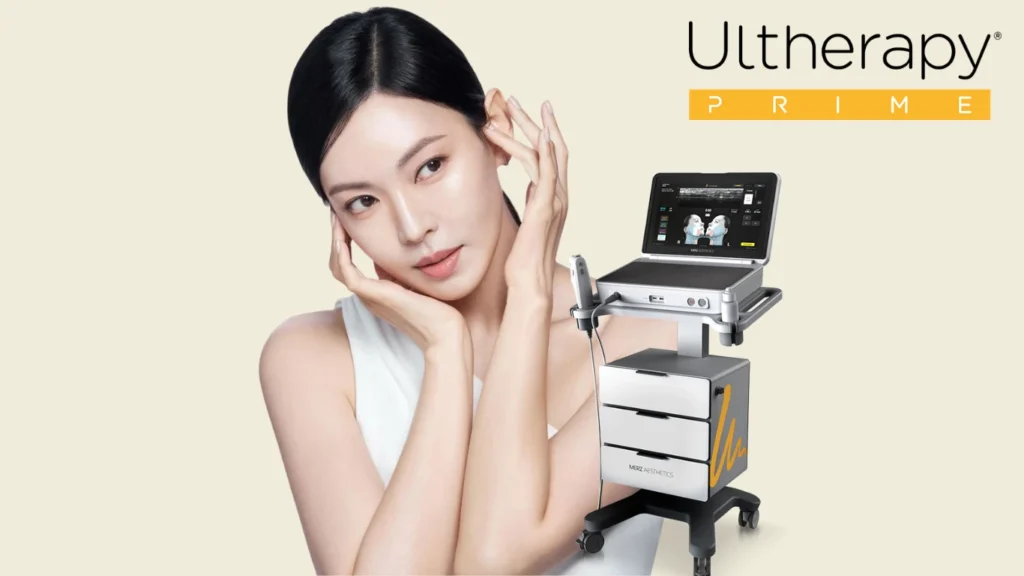
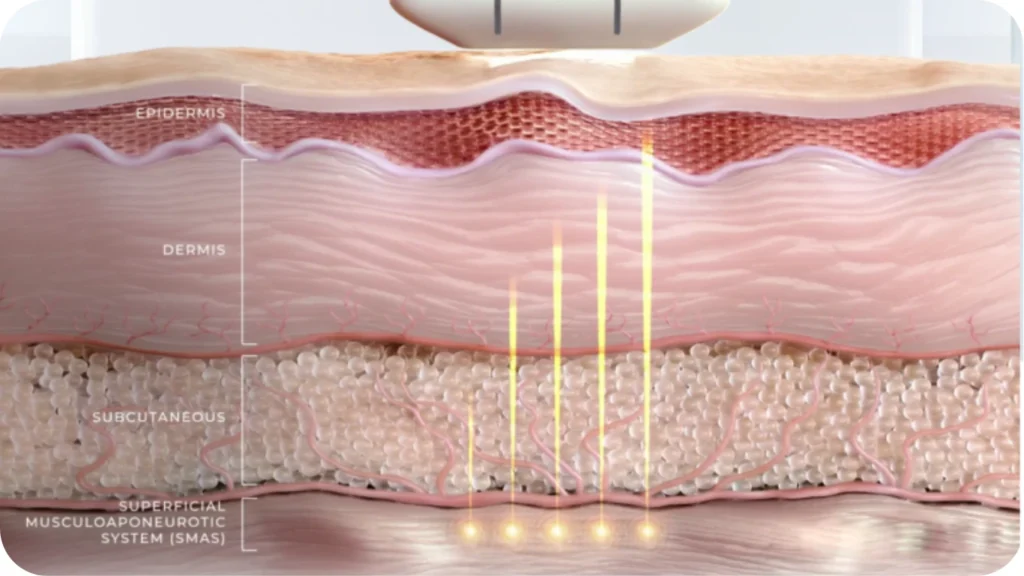
Ultherapy is distinct because it is able to reach the SMAS layer, or superficial musculoaponeurotic system. This is the same structural layer addressed in surgical facelifts. By delivering focused ultrasound energy to this depth, Ultherapy supports lifting without surgery or injections.
However, while the technology itself is consistent, treatment outcomes can vary significantly depending on how the device is used.
Ultherapy uses real-time ultrasound imaging to allow visualisation of skin and tissue layers during treatment. This enables the practitioner to assess depth, identify key structures, and plan energy delivery more accurately.
The see-plan-treat protocol is designed to reduce guesswork, but its effectiveness still depends heavily on the practitioner’s understanding of facial anatomy and experience with the device.
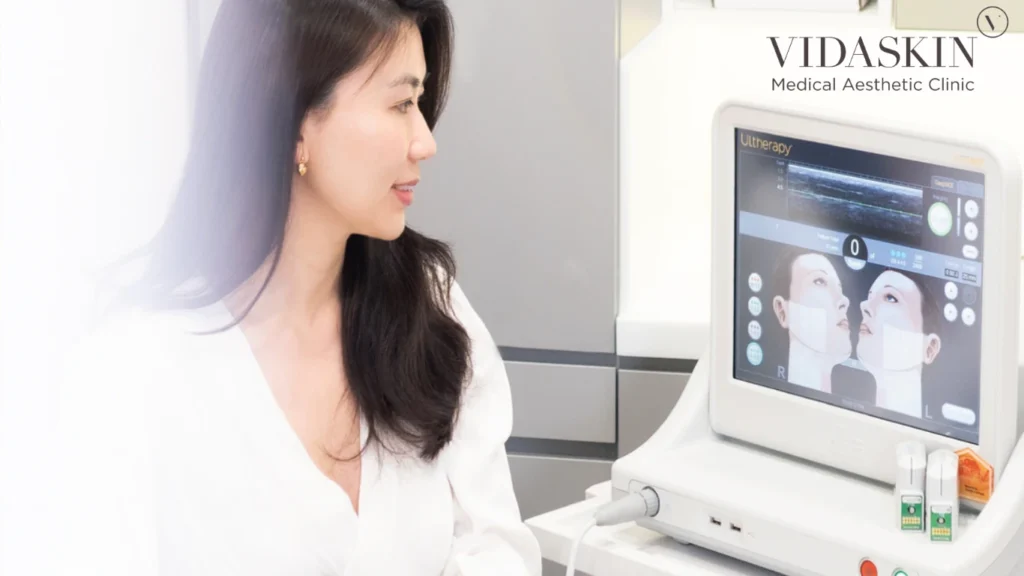
By accurately reaching the SMAS layer, Ultherapy supports structural lifting rather than surface tightening alone. This deeper targeting is why it is commonly used for brow elevation, jawline definition, and early jowl concerns.
It is important to understand that not all Ultherapy treatments are the same. Precision in depth selection, energy placement, and anatomical awareness play a critical role in achieving visible, balanced results. Incorrect targeting or inconsistent technique may reduce effectiveness, even when using the same device.
Ultherapy is often chosen by individuals seeking subtle lifting and improved facial definition without surgery, particularly in the upper face and lower jawline.
Focused ultrasound energy can be delivered around the brow area to support mild elevation and improve heaviness in the upper face. When performed with proper anatomical understanding, this may help create a more refreshed and open appearance.
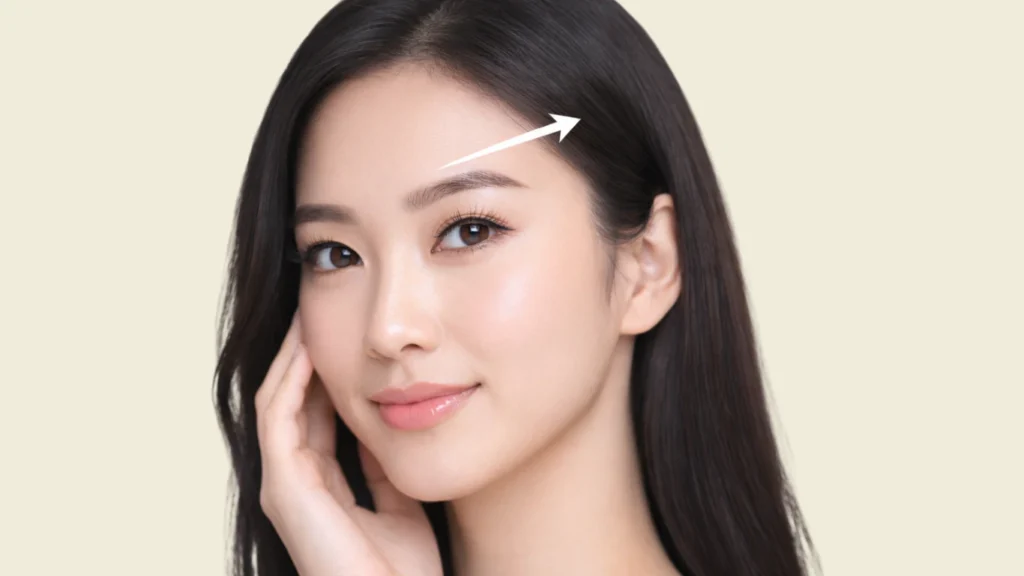
Ultherapy is frequently used to support early jowl improvement and jawline definition. Precise energy placement along the lower face and jawline is essential, as this area involves multiple tissue depths and critical anatomical structures.
Many patients who have undergone Ultherapy elsewhere later report variable results, often related to differences in technique rather than the technology itself.

The Ultherapy Prime system represents an evolution of the original platform, incorporating refinements in imaging clarity, system performance, and treatment efficiency.
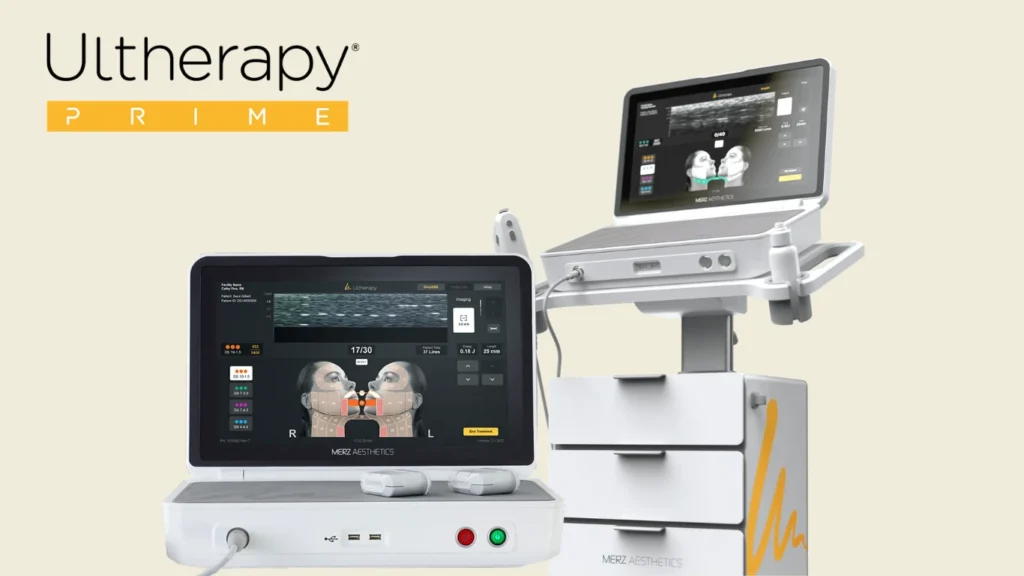
Improved ultrasound imaging allows clearer identification of tissue layers, helping practitioners deliver energy with greater accuracy. These updates support more consistent treatment when used correctly and thoughtfully.
Treatment duration varies depending on the areas treated. Energy levels and treatment speed are adjusted based on individual tolerance and treatment goals. Comfort can differ between patients, and careful pacing plays an important role in the overall experience.
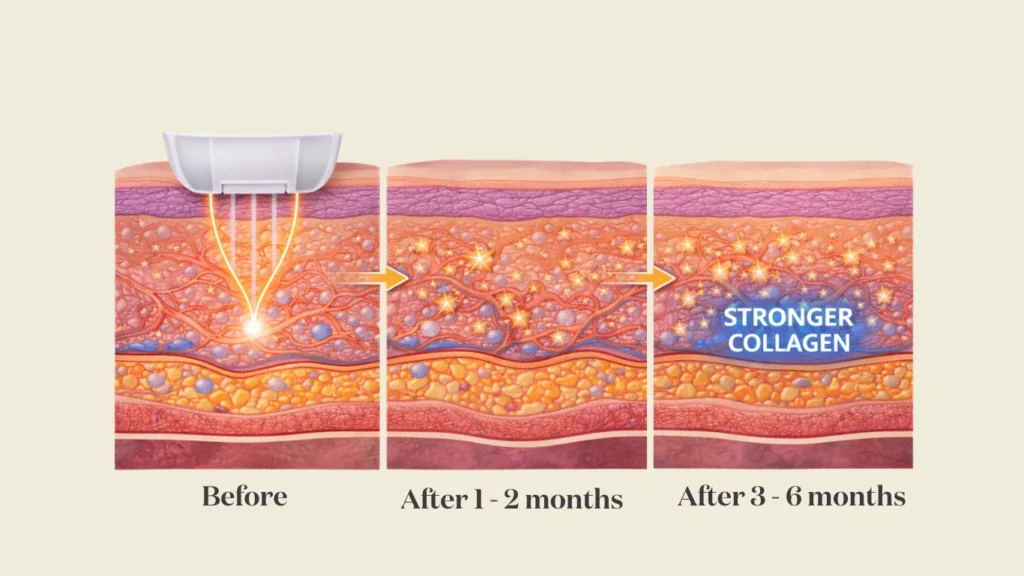
Ultherapy does not rely on immediate tightening. Instead, it works by supporting the body’s natural collagen response.
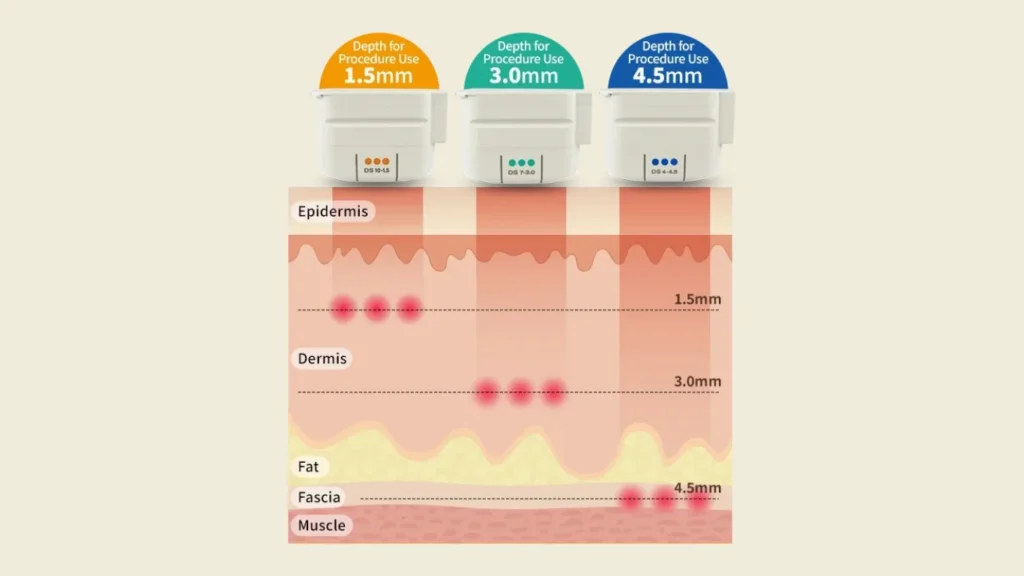
Focused ultrasound energy creates precise thermal points at targeted depths beneath the skin. These controlled points stimulate a natural repair response, encouraging collagen formation over time.
Some individuals notice subtle firmness early, but more visible lifting and tightening typically develop gradually over several weeks to months. This progressive change is often preferred by patients who want natural-looking results.
Ultherapy may be suitable for individuals who:
Suitability depends on skin condition, facial structure, and expectations. A proper assessment is essential.
Ultherapy generally involves minimal downtime. Some individuals may experience mild tenderness, redness, or slight swelling, which usually resolves within a short period.
Aftercare typically includes avoiding excessive heat, staying hydrated, using sun protection, and following personalised post-treatment advice.
While Ultherapy is a well-established technology, results depend heavily on how the treatment is performed.
At VIDASKIN Medical Aesthetic Clinic, many patients report that they experienced more noticeable and balanced results compared to previous treatments done elsewhere. This is often attributed to careful planning, precise energy delivery, and a strong understanding of facial anatomy.
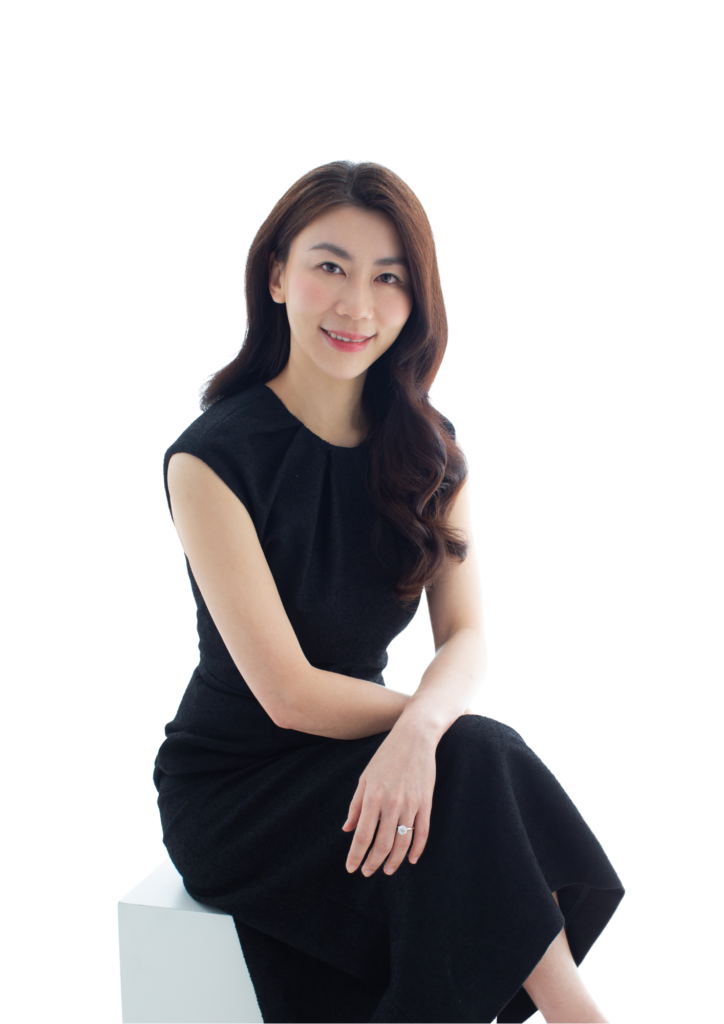
Dr. Vicki Leong, medical director of VIDASKIN, is an official trainer for Ultherapy PRIME and trains other doctors in Singapore on the correct and safe use of the device. Through this role, she has observed that incorrect handling and suboptimal technique are not uncommon, which can significantly affect treatment outcomes.
This level of experience allows treatments to be customised with greater accuracy, helping patients achieve results that are both effective and natural-looking.
If you are considering Ultherapy skin tightening in Singapore, a personalised consultation is the most important first step.
At VIDASKIN Medical Aesthetic Clinic, each treatment is planned with careful assessment of facial anatomy, skin condition, and individual goals. This ensures Ultherapy Prime treatment is delivered with precision rather than a standardised approach.
Book your consultation to explore whether Ultherapy is suitable for you and how it can be integrated into a personalised skin tightening plan.
Is the updated version of Ultherapy painful?
Comfort varies between individuals. Some patients describe a warm or tingling sensation during treatment. Energy levels are adjusted based on tolerance and treatment goals.
How many sessions do I need?
Many individuals undergo a single session, although this depends on skin condition and expectations. Your practitioner will advise after assessment.
How soon will I see results?
Some firmness may be noticed early, but visible lifting typically develops gradually over several weeks to months.
How long does the whole process last?
Treatment duration depends on the areas treated. A full face and neck session generally takes longer than smaller targeted areas.
Is it safe for Asian skin?
Ultherapy uses focused ultrasound rather than surface-based laser energy, making it generally suitable for Asian skin types when performed appropriately.
How is Ultherapy different from Monopolar Radiofrequency?
Ultherapy targets deeper structural layers such as the SMAS, while monopolar radiofrequency primarily works within the dermal layer. The choice depends on treatment goals and skin condition.