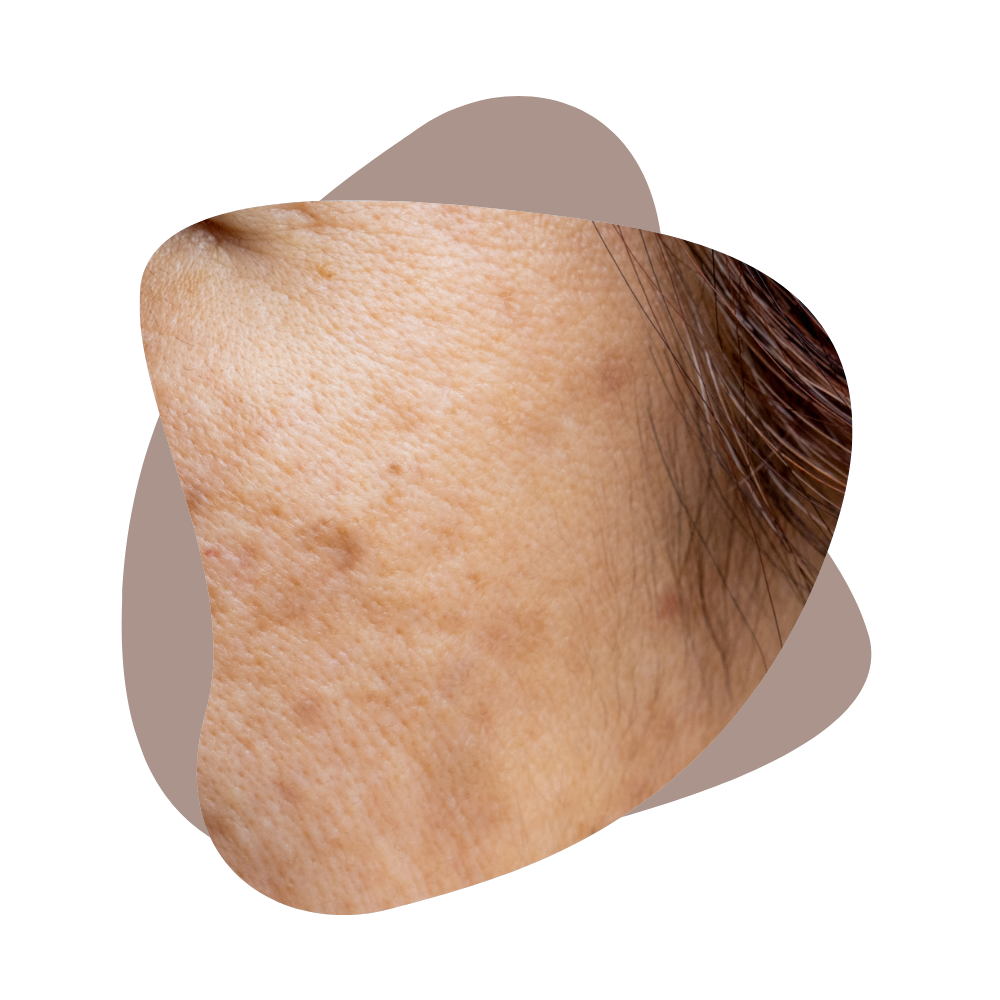
Pigmentation rarely exists on its own. Many patients experience a combination of uneven skin tone, acne marks, redness, enlarged pores, or early textural changes that develop over time.
At VIDASKIN, laser treatments are designed as a personalised programme rather than a one-off procedure. Each session is guided by your skin’s current condition, allowing multiple concerns to be addressed with carefully selected laser technologies.
Whether treating sun damage, melasma, post-acne pigmentation, redness, or overall skin clarity, a tailored laser approach adapts as your skin responds—supporting gradual, natural-looking improvement.
Our Laser Medley Programme embodies this approach, offering access to a range of medical-grade lasers customised to your skin’s needs—because no two skins, and no two journeys, are the same.
Lasers work by delivering focused light energy to specific targets within the skin—such as melanin (pigment), haemoglobin (blood vessels), or water within the skin tissue.
By selecting the appropriate wavelength and technology, lasers can treat targeted concerns while minimising impact to surrounding skin. This selective approach allows treatment to be both precise and controlled.
Different skin concerns respond best to different laser mechanisms. For this reason, VIDASKIN offers a range of laser devices, allowing our doctors to personalise treatment parameters based on your skin type, condition, and treatment goals.

Excess melanin in the skin leads to uneven tone and visible pigmentation. Pigment-targeting lasers help break down these deposits for gradual clearance.
Addresses:
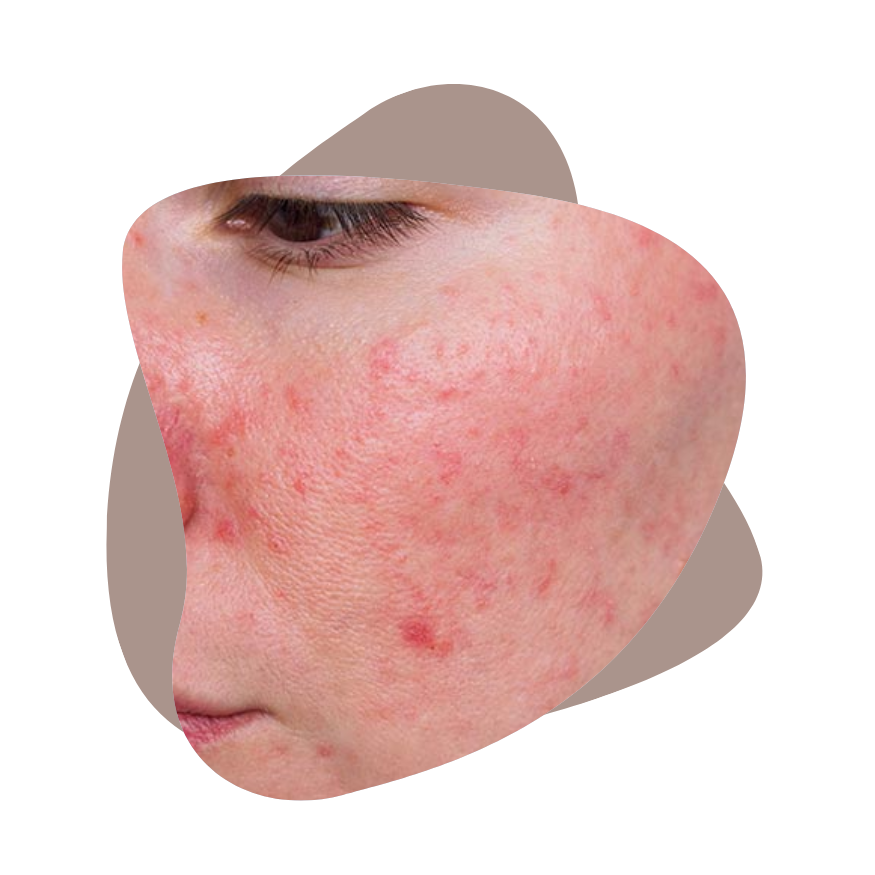
Flushing, visible capillaries, and rosacea-related redness respond best to vascular lasers, which selectively target blood vessels.
Addresses:
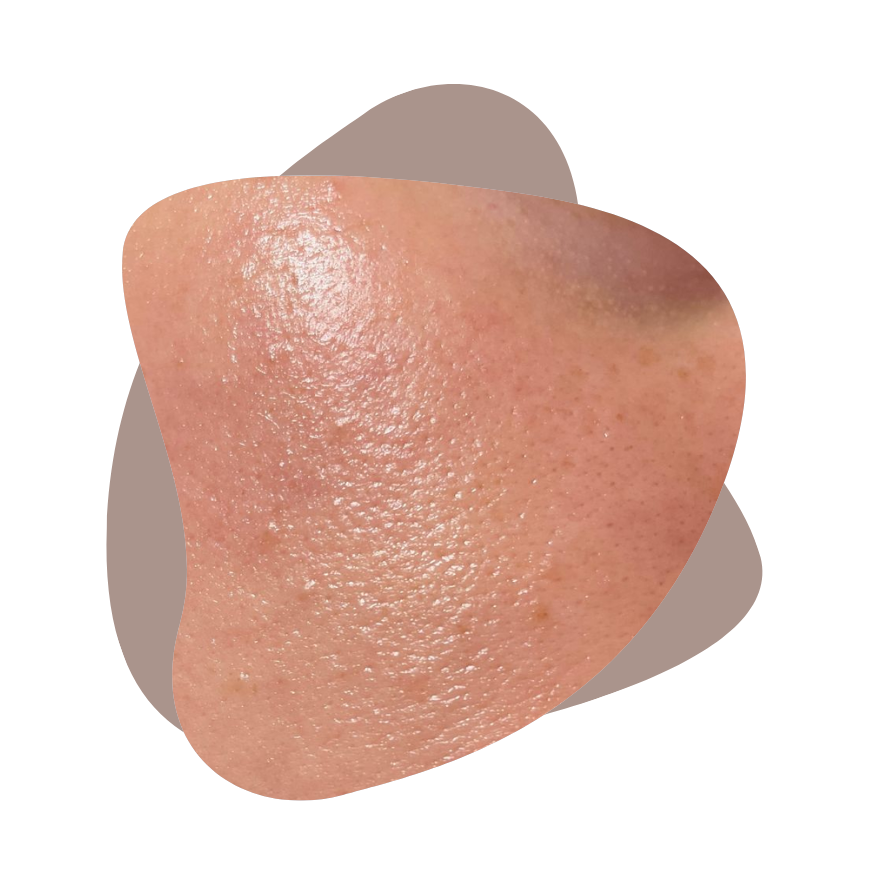
Fractional lasers create controlled micro-injuries that support collagen renewal and smoother skin texture.
Non-ablative lasers gently heat deeper skin layers to support long-term collagen production.
Addresses:
Each laser has different characteristics. Let’s look at some of them.
The wavelength of a laser determines the depth of penetration. In general, a longer wavelength laser will penetrate deeper into the skin than one with a shorter wavelength, if all other factors are equal. This is important because our pigmentation or skin concerns may not all exist in the same depth. You may have some spots which are more superficial and some which are deeper, requiring a mix of different treatment depths. Therefore it is important to find one with a wavelength that matches the concern to be treated.
The pulse duration is the time that the laser is active on your skin. A picosecond laser has a very short pulse duration (10-12s) whereas a Q-Switch laser works in nanoseconds (10-9s), both shatter pigmentation into smaller sizes to be cleared by the body. A Long-Pulse laser works in milliseconds (10-3s) and is better at targeting blood vessels and for hair removal.
Laser treatments may be appropriate if you are concerned about pigmentation, redness, acne marks, texture irregularities, or early signs of skin ageing.
As skin types, conditions, and tolerance vary, suitability is best determined through a personalised consultation. A structured assessment allows us to recommend the most appropriate laser—or combination of lasers—for your skin, aligned with your long-term skin health goals.
Laser treatments can improve various skin conditions such as pigmentation, dull skin tone, redness, acne, scarring and fine lines. They are often better suited to skin that is not regularly sun-tanned. If you have a darker skin tone, certain lasers or light treatments may not be suitable as well. Lastly, lasers are not recommended during pregnancy and breast feeding.
Improvements in skin quality can be expected after 6-10 treatments. Our doctors will discuss a treatment plan with you prior to commencing laser therapy.
Please avoid intentional sun-tanning or strong sunlight exposure for 2 weeks prior to your laser treatment. It is also advised to continue sun avoidance whilst undergoing laser treatment for optimal results and lower risk of complications. Avoid any strong acids or retinoid products for 3 days before your laser treatment. Any specific instructions will be communicated to you prior to your treatment.