How to Manage Severe and Cystic Acne

Severe and cystic acne is more than just a skin concern—it is a chronic inflammatory condition that can lead to permanent scarring, pigmentation, and emotional distress if not treated early.In Singapore’s humid climate, acne can be more persistent and inflammatory. At VIDASKIN, we emphasise early medical treatment and long-term skin restoration, including solutions for acne scar treatment here in Singapore.
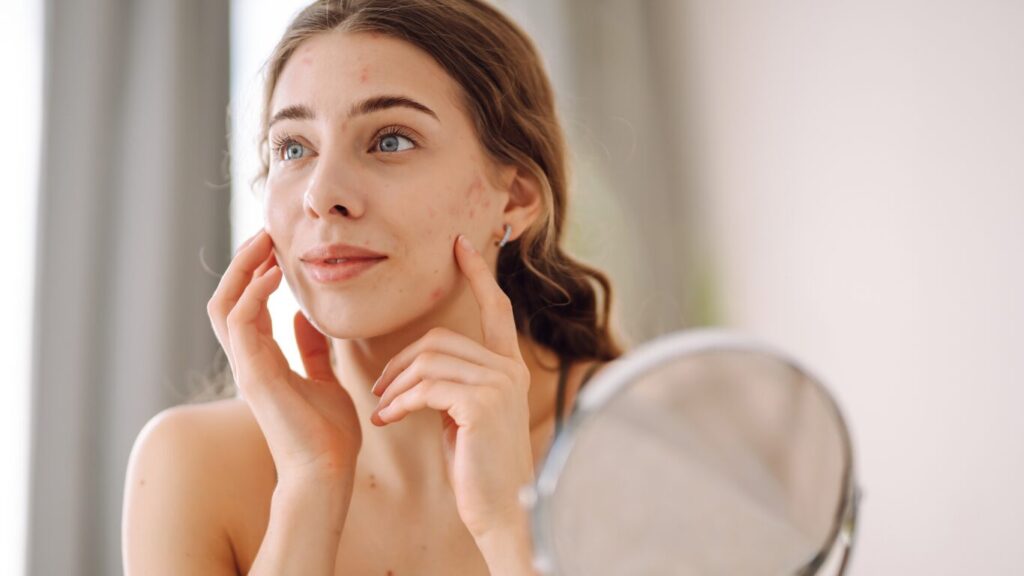
Woman checking her face for acne

Understanding Adult Inflammatory Acne

Common Triggers and Risk Factors

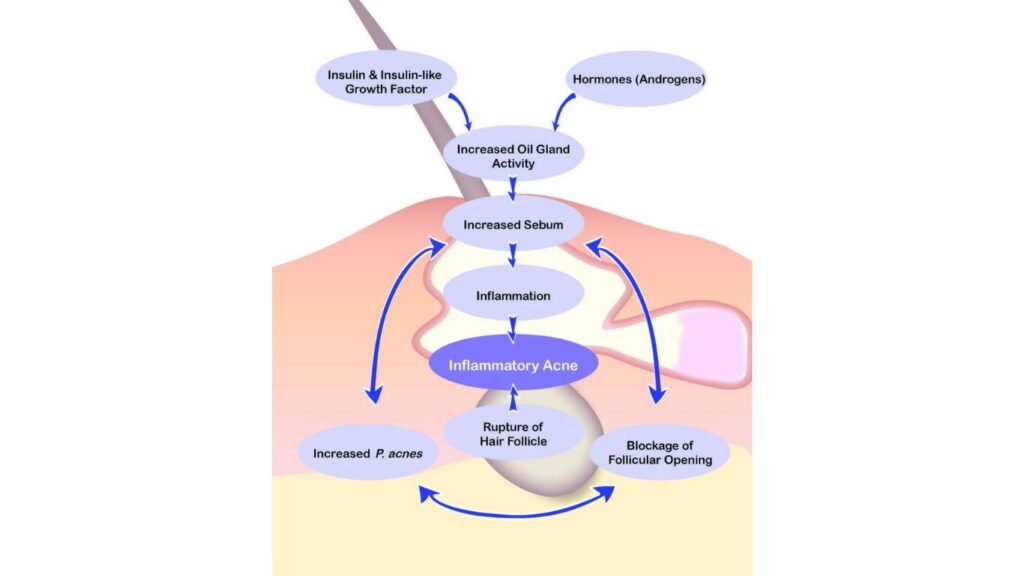
Acne development

Adult acne is often multifactorial. Common triggers include:

  • Hormonal imbalances (e.g., menstrual cycles, PCOS) 
  • Chronic stress and poor sleep 
  • High glycaemic diets and dairy sensitivity 
  • Comedogenic skincare products 
  • Environmental humidity and pollution 

Identifying triggers helps reduce flare-ups and improve treatment outcomes.
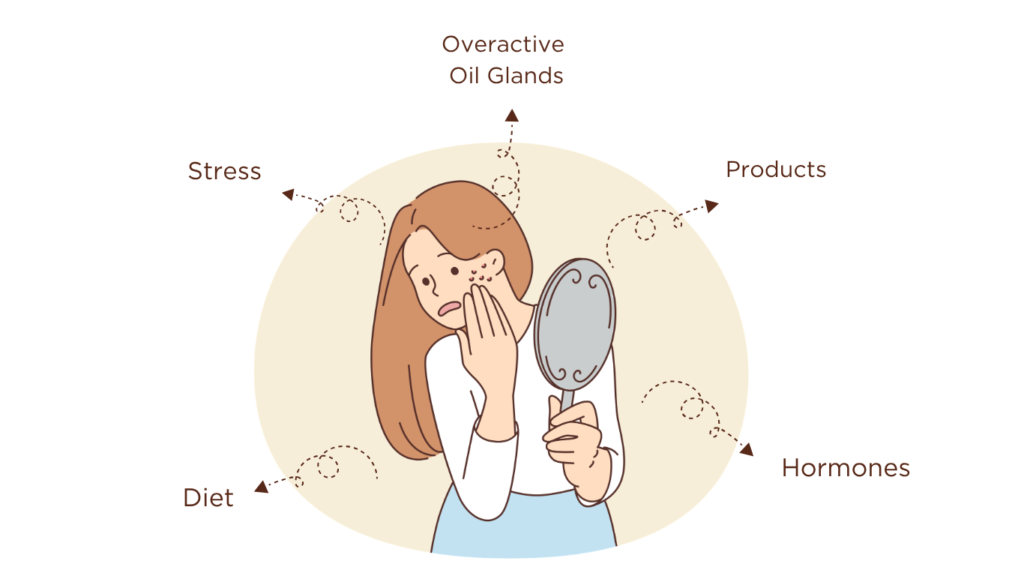
Acne common triggers

How Inflammation Leads to Cysts

How inflammation leads to cysts

Cystic acne forms when pores become deeply clogged and inflamed:

  • Excess oil and dead skin cells block pores 
  • Bacteria multiply within the follicle 
  • The immune system triggers deep inflammation 

This results in painful nodules and cysts beneath the skin, which are more likely to scar.
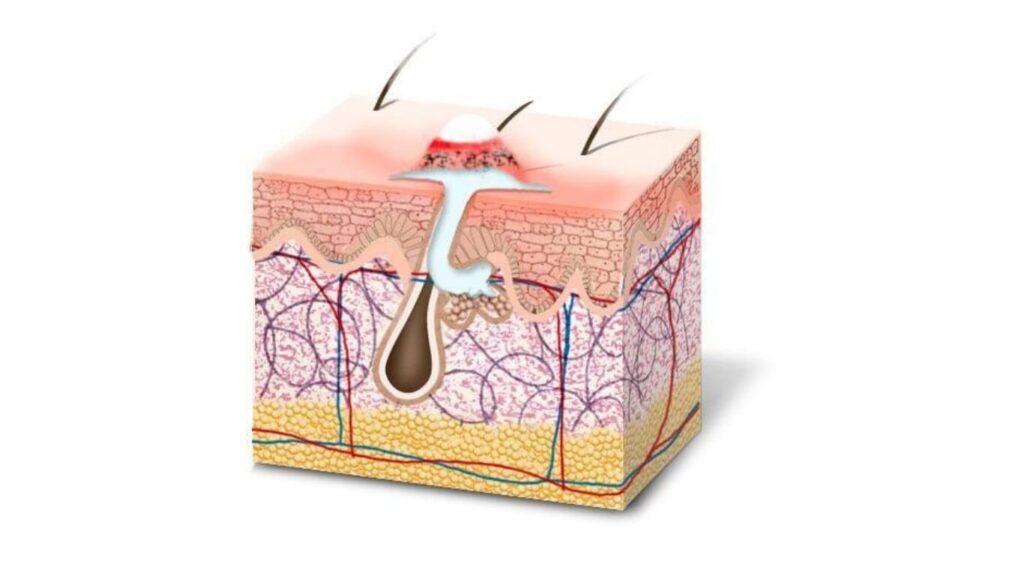
Painful nodules and cysts under the skin

Impact on Skin and Quality of Life

Severe acne can significantly affect both physical and emotional health:

  • Permanent acne scars and uneven skin texture 
  • Post-inflammatory hyperpigmentation (dark marks) 
  • Reduced confidence and social anxiety 

This is why early intervention is essential—not only to treat acne but also to prevent long-term scarring.
Treatment Options for Cystic Acne

Topical and Oral Medications

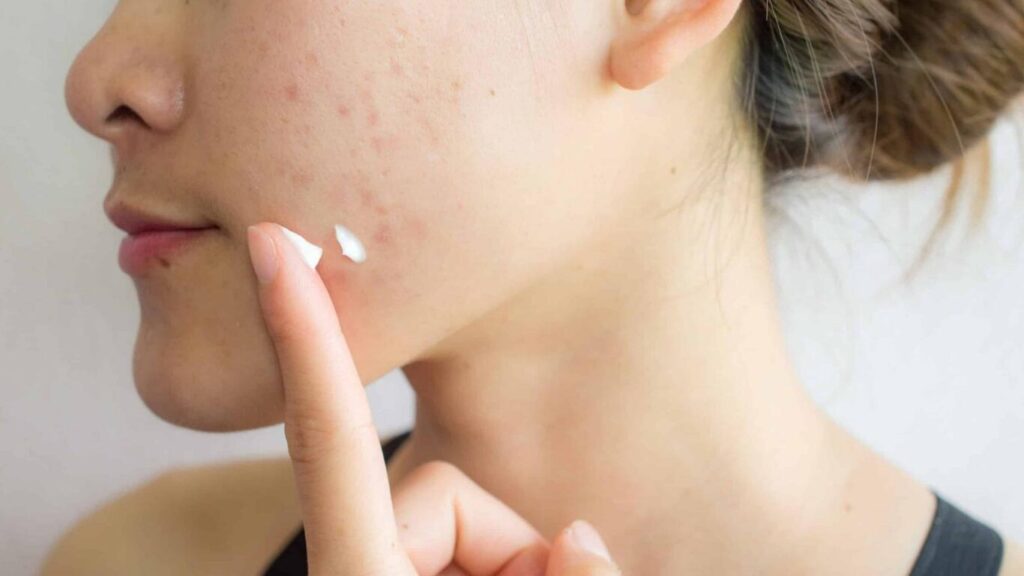
Woman applying facial cream to treat her acne scars

Medical treatment is often required for cystic acne:

  • Topical retinoids to unclog pores 
  • Benzoyl peroxide to reduce bacteria 
  • Oral medications to control inflammation 

These form the foundation of acne management but may not be sufficient alone for severe cases.

Role of Antibiotics and Hormonal Therapy

For moderate to severe acne:

  • Oral antibiotics help reduce bacterial growth and inflammation 
  • Hormonal therapy (e.g., oral contraceptives, anti-androgens) targets hormonal triggers 

These treatments are typically used under medical supervision and tailored to the patient.

When Is Isotretinoin Recommended

Doctor discussing treatments with a patient

Isotretinoin is recommended when:

  • Acne is severe, cystic, or scarring 
  • Other treatments have failed 
  • There is a significant psychological impact 

It works by reducing oil production, preventing clogged pores, and controlling inflammation, making it one of the most effective long-term treatments available.
Isotretinoin Safety Considerations

Potential Side Effects

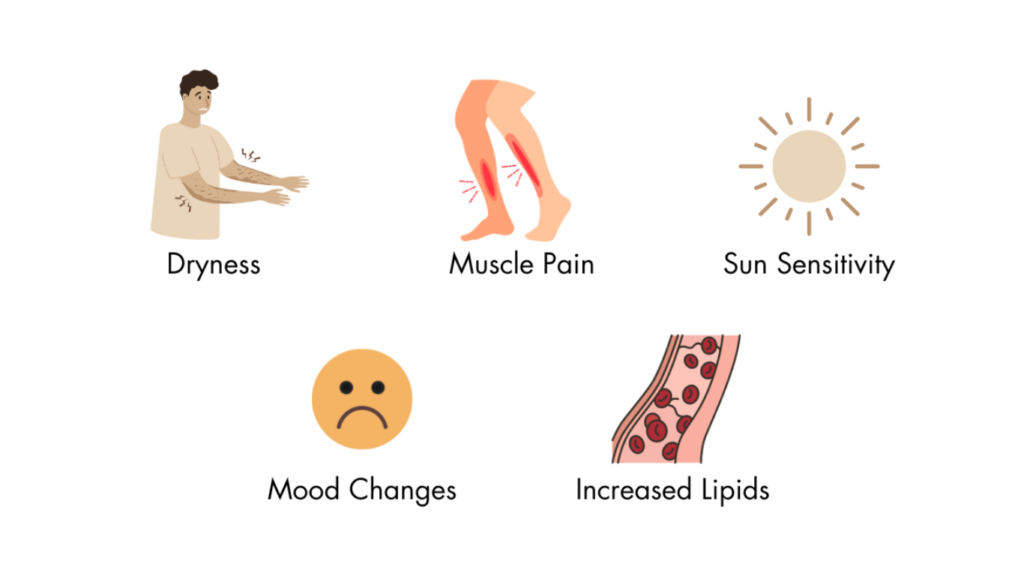
Isotretinoin side effects

Common side effects include:

  • Dry skin, lips, and eyes 
  • Skin sensitivity and mild peeling 
  • Temporary acne flare at the start 

These are usually manageable with proper skincare and medical guidance.

Monitoring and Blood Tests

Patients on isotretinoin require regular monitoring:

  • Blood tests (liver function, cholesterol) 
  • Follow-up consultations to adjust dosage 

This ensures safe and effective treatment.
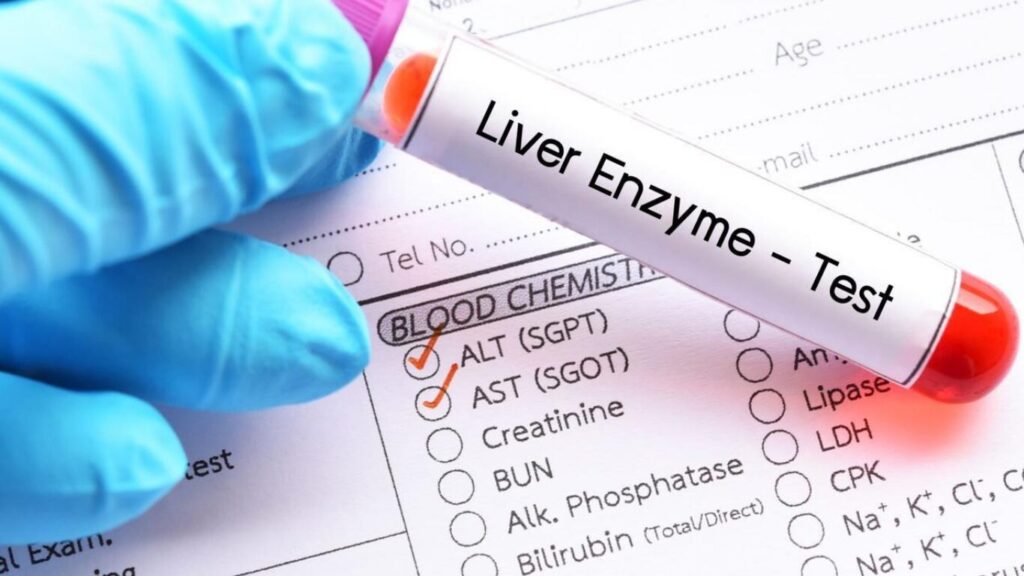
Blood test vial

Pregnancy and Contraception Guidelines

Isotretinoin is strictly contraindicated in pregnancy.

Patients must:
  • Use reliable contraception 
  • Avoid pregnancy during and shortly after treatment 
  • Undergo medical counselling before starting 

Systemic Acne Management

Early Intervention Strategies

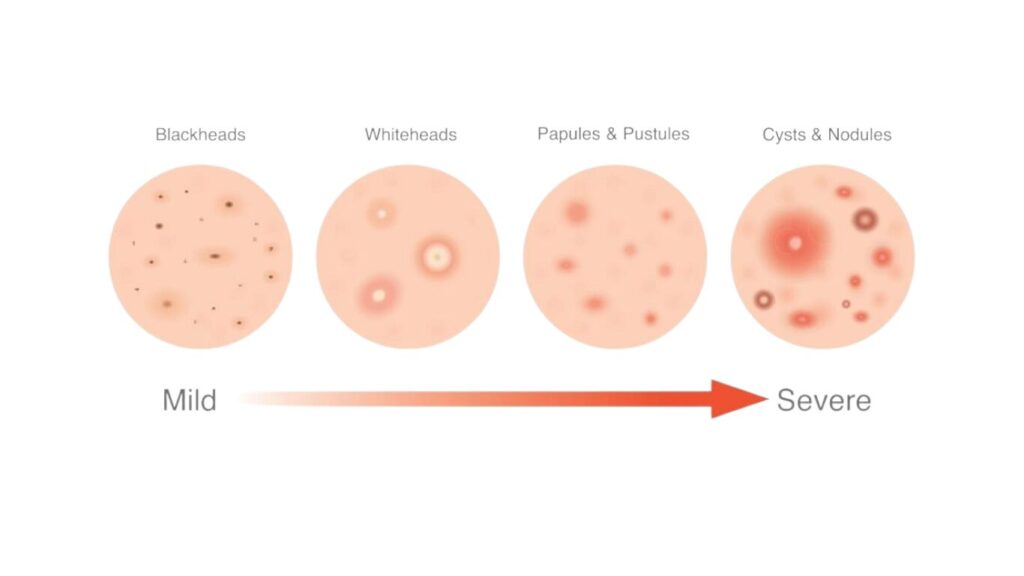
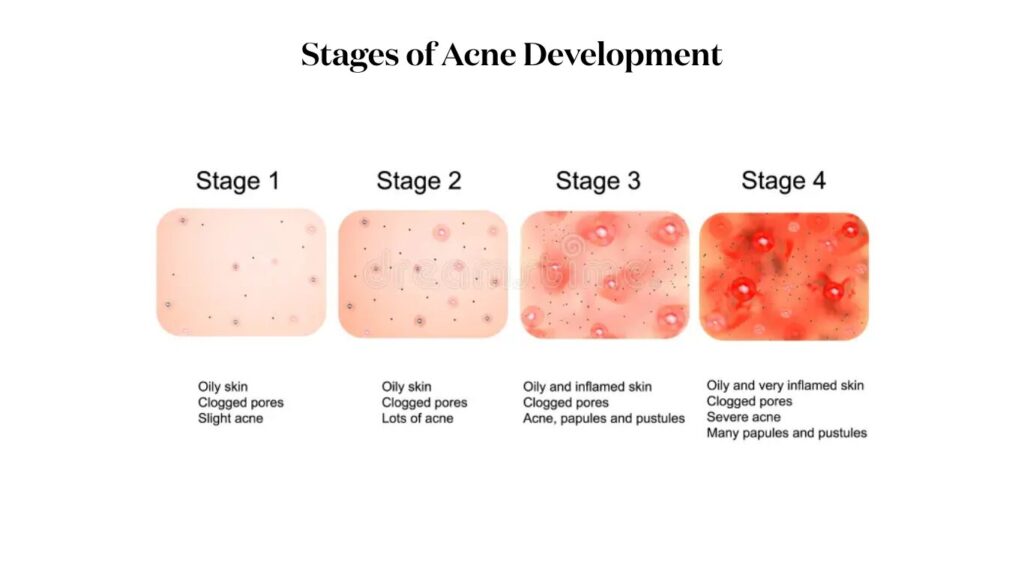
Stages of Acne Development

Early treatment helps to:

  • Prevent deep inflammation 
  • Reduce risk of permanent scars 
  • Shorten recovery time 

Delaying treatment often leads to more aggressive interventions later.
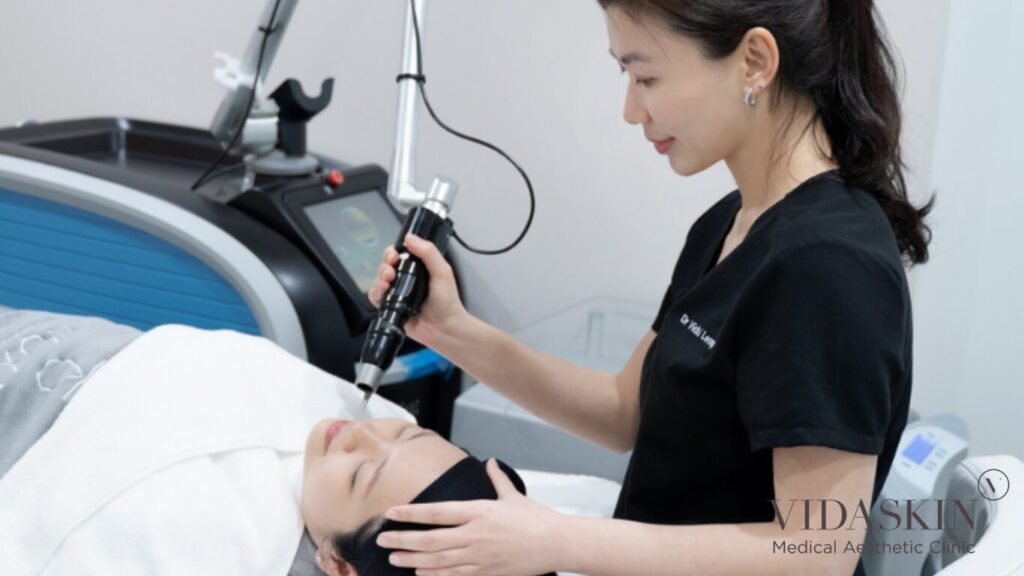
Laser and Microneedling Options

Patient undergoing acne scar treatment

Once acne is controlled, treatments for scars include:

  • Fractional laser therapy 
  • Microneedling (with or without radiofrequency) 
  • Chemical peels for pigmentation 

These procedures stimulate collagen and are key components of acne scar treatment in Singapore.
Skincare and Sun Protection Tips

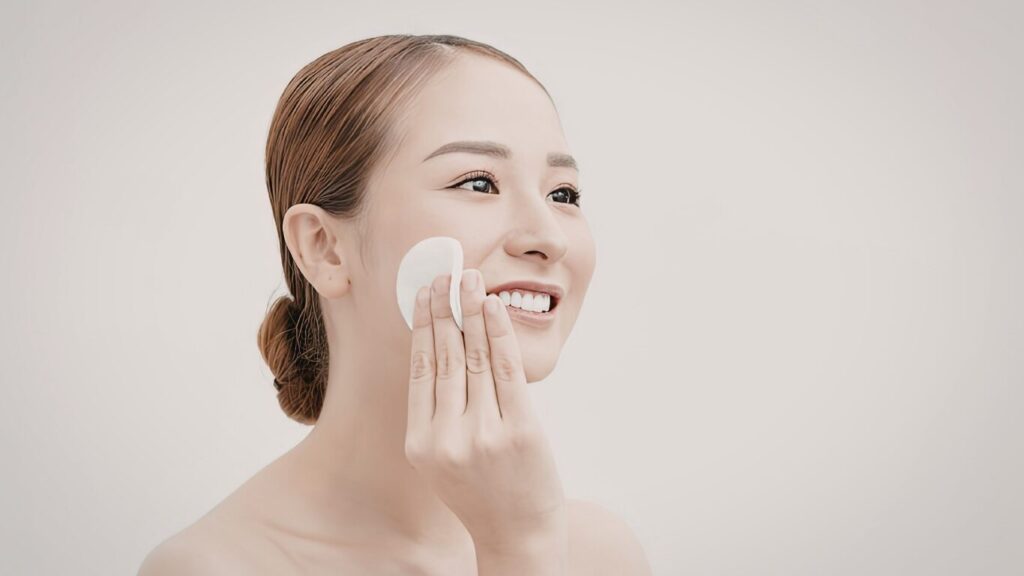
Woman cleansing her face

Daily skincare should include:

  • Gentle cleanser 
  • Oil-free moisturiser 
  • Broad-spectrum sunscreen (SPF 30 or higher) 

Sun protection prevents worsening of pigmentation and supports healing.

Combination Therapies

The most effective acne management plans combine:

  • Prescription medications 
  • In-clinic procedures 
  • Medical-grade skincare 

This integrated approach ensures both active acne control and long-term scar prevention.

Book a Consultation at VIDASKIN

If you are struggling with severe or cystic acne, early treatment can prevent long-term complications.

At VIDASKIN Clinic, we provide:

  • Personalised acne treatment plans 
  • Advanced therapies for severe acne 
  • Comprehensive solutions for acne scar treatment in Singapore 

Our approach is focused on achieving clearer, healthier skin safely and effectively.

Frequently Asked Questions (FAQs)

What is the best treatment for cystic acne?

The most effective treatments include oral medications, hormonal therapy, and isotretinoin for severe cases.

Can cystic acne go away without treatment?

Cystic acne typically requires medical treatment to prevent worsening and scarring.

Is isotretinoin safe?

Yes, when prescribed and monitored by a doctor, it is safe and highly effective.

When should I start acne scar treatment?

Only after active acne is controlled, to avoid worsening skin damage.

Are laser treatments effective for acne scars?

Yes, laser treatments are clinically proven to improve skin texture and reduce scars.

Share with: