What Clinical Treatments Are There For Sagging Eyelids?
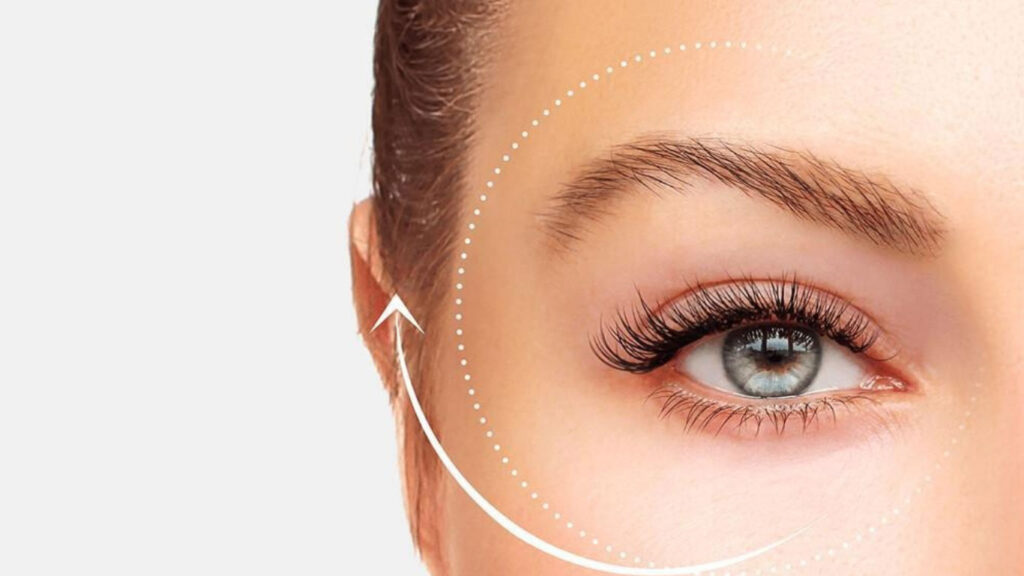
Sagging eyelids and brow droop can contribute to a tired or aged appearance. Today, there are various non-surgical options for sagging eyelids treatment that aim to improve skin firmness and support around the eye area.
At VIDASKIN Clinic, treatment plans are tailored based on individual assessment and may include Ultherapy, radiofrequency-based treatments, laser procedures, BTX, and dermal fillers, depending on suitability.
What Causes Sagging Eyelids and Brow Droop?
Understanding Periorbital Sagging
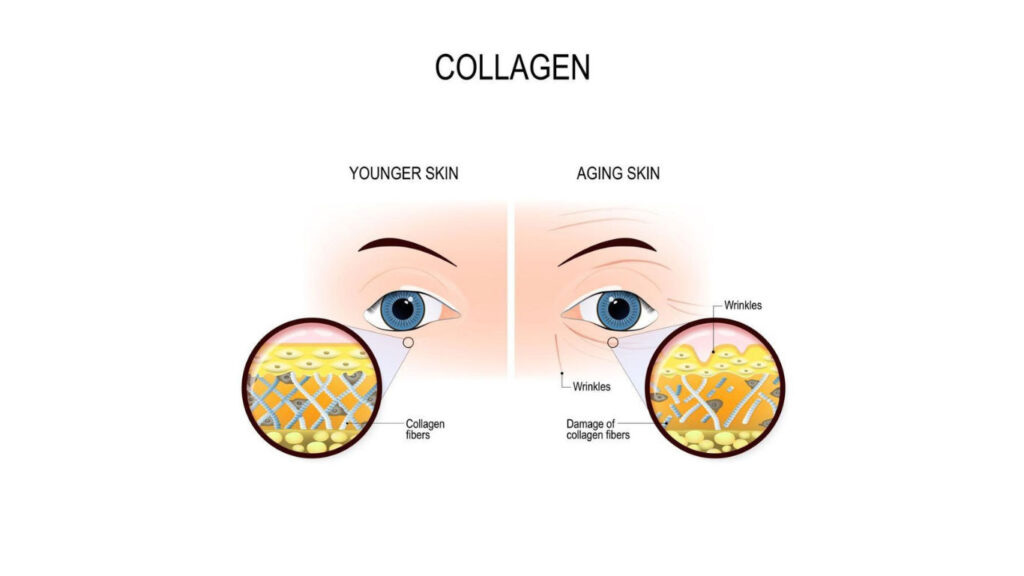
Sagging in the eye area (periorbital region) occurs due to:
Reduction in collagen and elastin
Weakening of connective tissues
Gradual descent of brow and eyelid structures
How Skin Laxity Affects Eye Appearance
This may lead to:
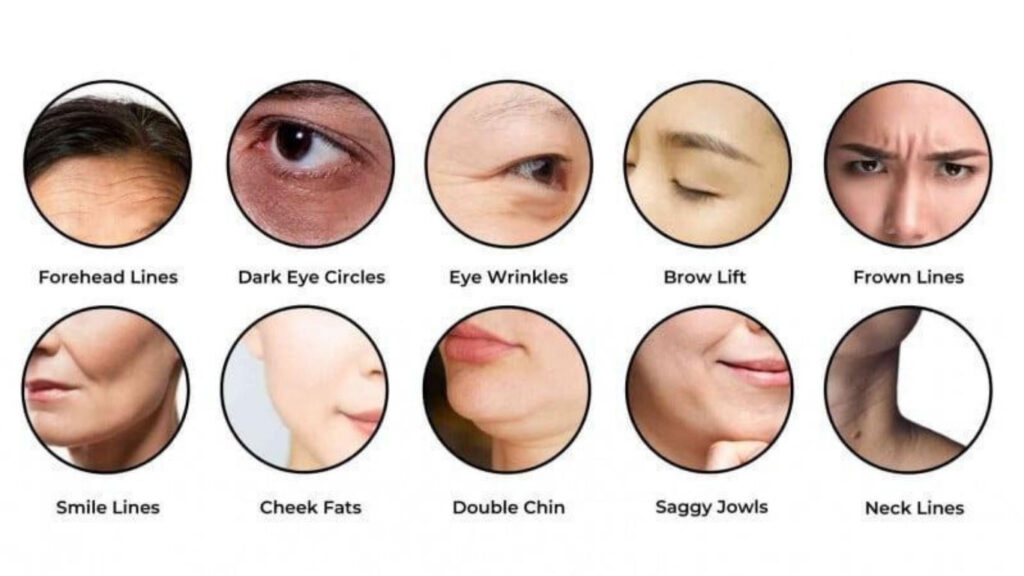
Hooded or drooping upper eyelids
A heavier or tired-looking appearance
Reduced eye definition
Fine lines and wrinkles
Assessing Periorbital Skin Quality
Clinical assessment typically includes:
Skin elasticity and thickness
Brow position and degree of descent
Volume loss around the eyes
This helps guide appropriate treatment selection.
Treatment Approaches for Sagging Eyelids
Understanding Surgical vs Non-Surgical Options
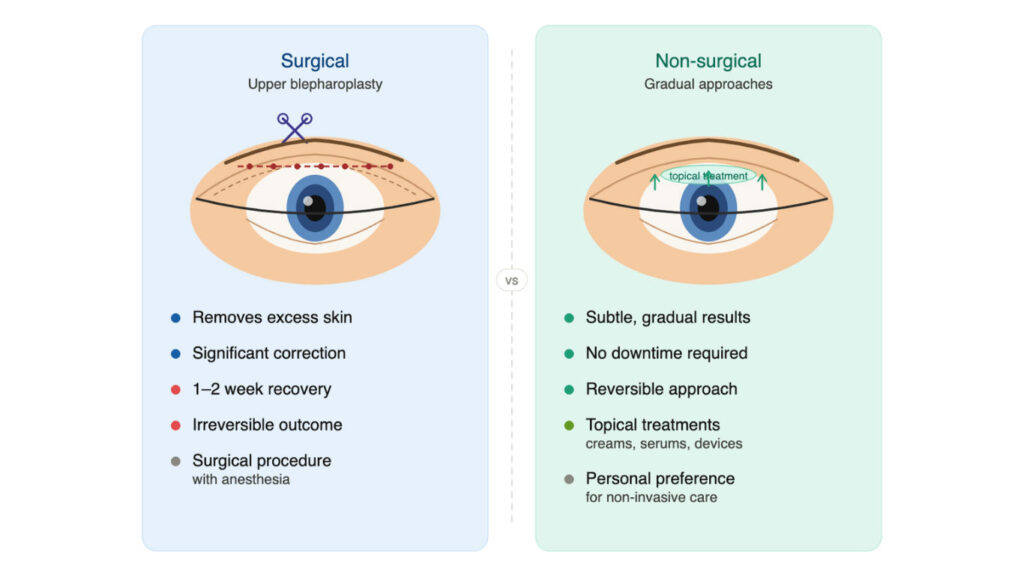
For more advanced eyelid sagging, an upper blepharoplasty (eyelid surgery) may be considered, as it removes excess skin and can provide a more significant correction.
However, some individuals may prefer non-surgical approaches due to several considerations:
Downtime associated with surgery, which may range from 1–2 weeks or longer
Irreversibility of surgical outcomes
Preference for more gradual or subtle changes
Personal considerations regarding surgical procedures
Non-surgical treatments may be considered for individuals with mild to moderate skin laxity or those seeking less invasive options.
Ultherapy for Brow and Eyelid Lift
Ultherapy uses focused ultrasound energy to:
Target deeper tissue layers, including the SMAS
Stimulate collagen production
Provide lifting of the brow area
It may be suitable for patients with early brow descent and mild eyelid hooding.
Radiofrequency-Based Treatments for Eye Tightening
Vector-based lifting approaches to support facial structure
These aim to improve skin texture, firmness, and overall support.
BTX for Brow Lift
BTX (botulinum toxin) may be used to:
Relax the muscles that pull the brow downward
Allow a mild elevation of the brow
Improve the appearance of the upper eyelid
This approach is typically used for subtle lifting effects.
Dermal Fillers Using Structural Techniques
Dermal fillers may be used to:
Restore volume in key support areas
Improve contour around the eyes
Provide indirect lifting of the brow and eyelid region
Treatment is individualised based on facial anatomy.
Combining Treatments for Optimal Results
In some cases, a combination approach may be considered:
Ultrasound-based lifting
RF or laser-based tightening
BTX or fillers for support and contour
This allows different aspects of ageing to be addressed.
Recovery and Post-Treatment Care
Managing Swelling and Redness
Some treatments may result in:
Mild swelling
Temporary redness
Skin sensitivity
These are generally short-lived.
Timeline for Visible Results
BTX: effects typically develop over several days
Fillers: visible immediately
Energy-based treatments: gradual improvement over weeks to months
Long-Term Maintenance
Maintenance may include:
Periodic treatments as advised
Consistent skincare
Sun protection
Get a Personalised Assessment at VIDASKIN
Management of sagging eyelids requires individualised assessment and treatment planning.
At VIDASKIN Clinic, we provide:
A focus on safety, appropriateness, and natural-looking outcomes
Personalised evaluation for sagging eyelids treatment
A range of non-surgical options tailored to patient suitability
Frequently Asked Questions (FAQs)
What is the best treatment for sagging eyelids?
Treatment depends on individual factors. Options may include ultrasound, RF, laser, BTX, or fillers.
Can sagging eyelids be treated without surgery?
Non-surgical treatments may be suitable for mild to moderate cases.
How long do results last?
Duration varies depending on treatment type and individual response.
Is there downtime after treatment?
Most non-surgical treatments involve minimal downtime compared to surgery.
How do I know which treatment is suitable?
A consultation is required to assess suitability and discuss options.
Dr Vicki Leong
author
Founded in 2015, Dr Vicki has grown with the clinic, to become one of the leading aesthetic clinicians in Singapore. She is an appointed key opinion leader and trains other aesthetic doctors on how to best use prestigious brands and treatments.