- 501 Orchard Road, #04-08 Wheelock Place, Singapore 238880
- (65) 6235 4429
- hello@vidaskinclinic.com
- (65) 9830 0597

TLDR: The Structural Support Guide
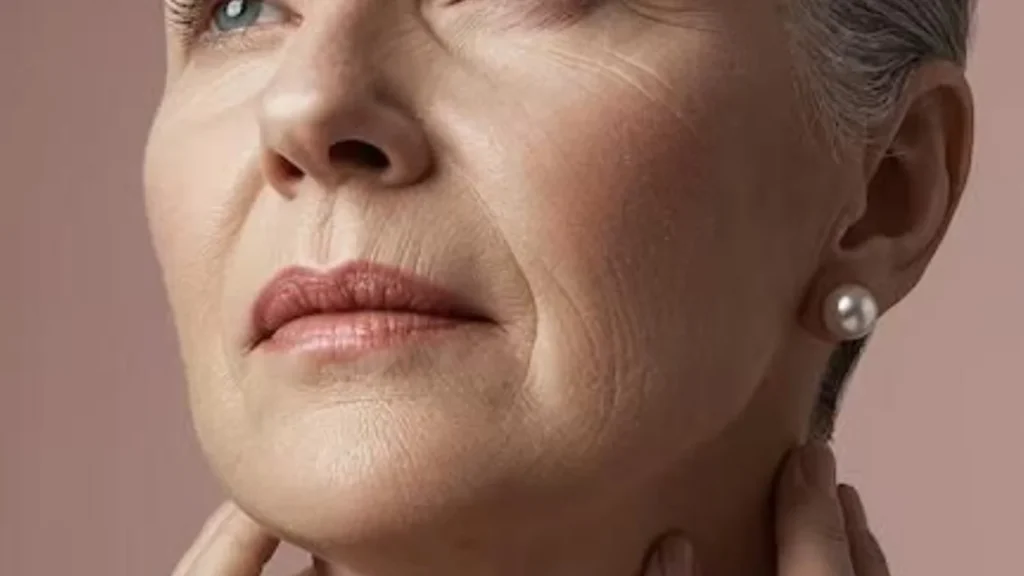
Facial aging isn’t just about surface wrinkles; it is a structural shift occurring deep within the dermis.
Beneath the skin lies a layered support system—muscle, connective tissue, fat compartments, collagen, and elastin—that works together like scaffolding in a building. Over time, that scaffold weakens and shifts under gravity. Because of this, a truly effective sagging skin treatment must do more than hydrate the surface; it must address the foundation.Modern non-surgical treatments for sagging skin aim to support this deep tissue architecture, not by pulling skin tight, but by influencing the layers that hold the face up in the first place. This article explains how today’s technologies approach facial structure—from the SMAS layer to collagen scaffolding—in a way that reflects how faces actually age.
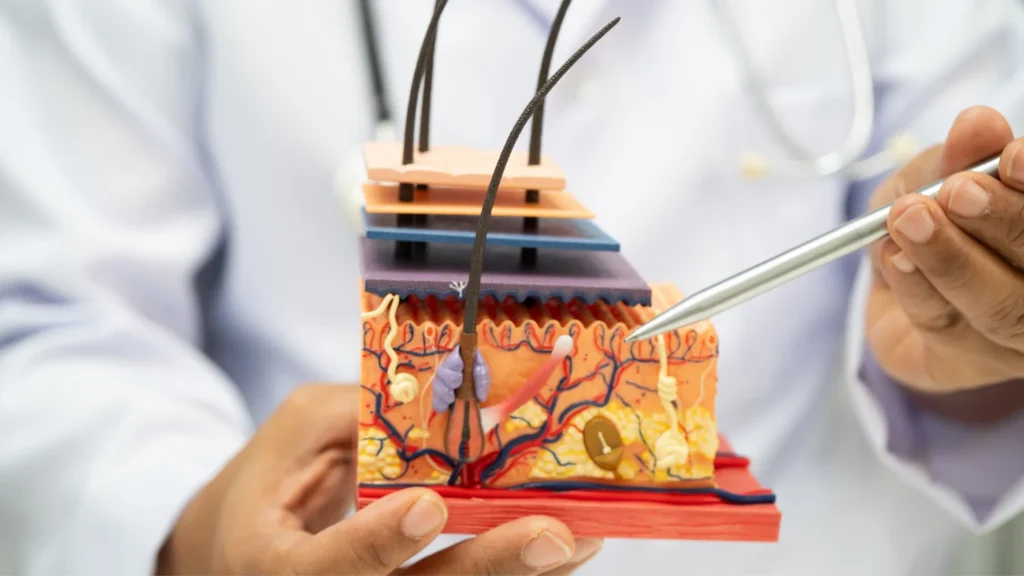
One of the most important structural layers in facial support is the Superficial Muscular Aponeurotic System (SMAS).
The SMAS is a fibromuscular layer that connects:
It acts as a tension-bearing layer that helps maintain facial shape.
Surgical facelifts reposition this layer directly. Modern energy-based treatments, such as Ultherapy, are designed to deliver focused energy to the SMAS layer to stimulate tightening at depth.
This SMAS layer focus explains why some non-surgical treatments aim deeper than the skin surface — because tightening skin alone does not address gravitational descent.
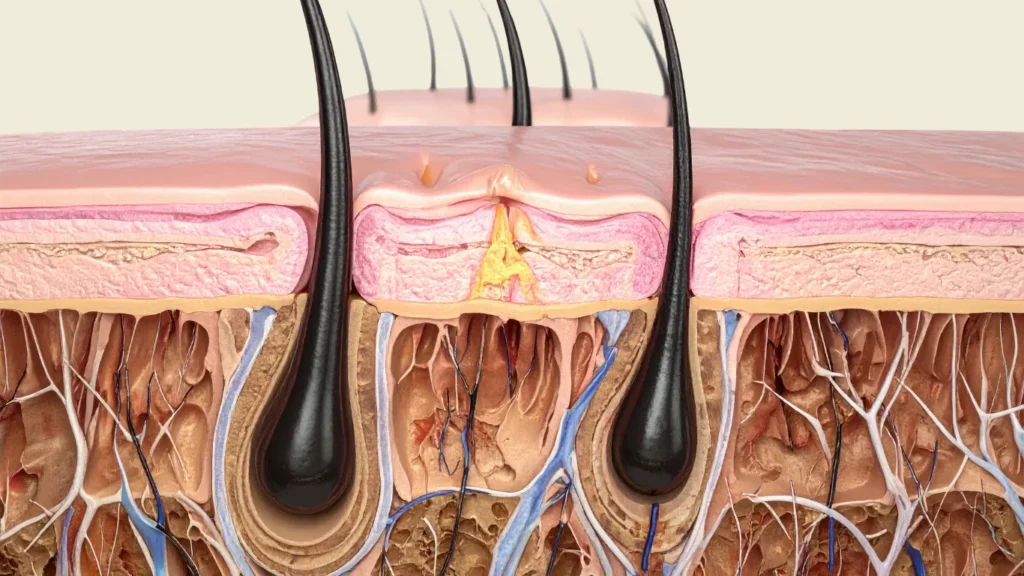
Structural support depends on two key components:
This refers to the production of new collagen following controlled thermal stimulation. New collagen helps:
This involves the tightening and reorganisation of existing elastin fibers.
While collagen provides strength, elastin provides snap-back.
The dual goal of many treatments is not only to create new collagen, but also to influence elastin behaviour — balancing neocollagenesis vs. elastogenesis to improve both firmness and recoil.
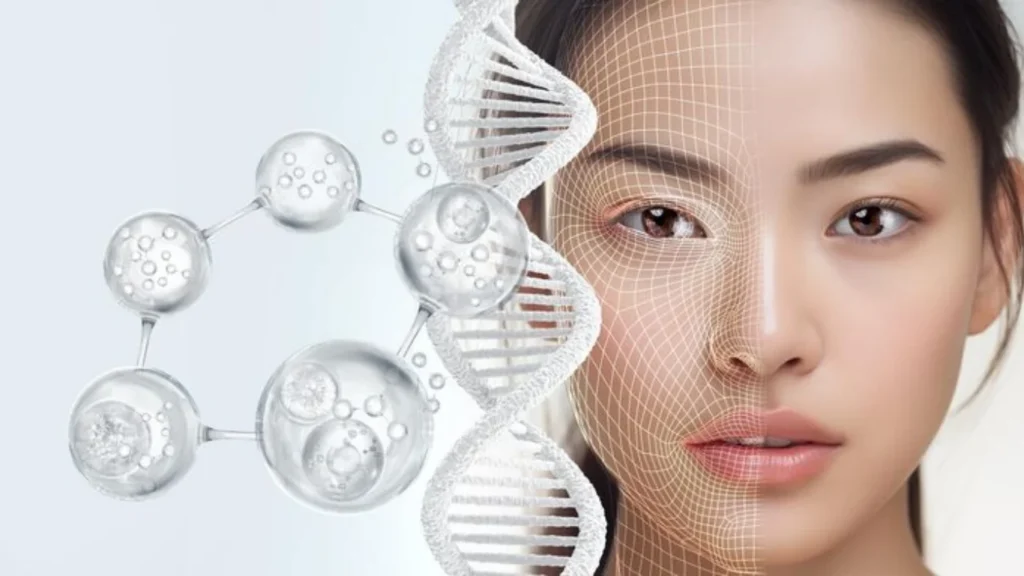
While surface-level creams often promise results, an effective sagging skin treatment must address the structural migration occurring beneath the dermis. Addressing laxity requires more than just hydration; it necessitates a strategy that reinforces the facial scaffold.
By combining energy-based tightening with bio-stimulatory agents, a modern sagging skin treatment works to “re-anchor” the tissue to its original position, providing a lifted appearance that looks natural because it is supported by your skin’s own biological framework.
Some injectable treatments act not as traditional fillers, but as bio-stimulatory scaffolding.
Calcium hydroxylapatite (CaHA) consists of microspheres suspended in a carrier gel. Once placed, the gel provides initial structural support while the CaHA particles stimulate the body’s natural collagen production over time.
This process encourages:
Rather than simply occupying space, CaHA functions as a biological scaffold, prompting the skin to reinforce itself using its own collagen — supporting structure and contour in a controlled, progressive manner.
The jawline does not age in isolation.
Jowling often occurs because:
The concept of vectoring involves treating upstream support areas — such as the upper cheeks and temples — to influence how tissues hang.
By reinforcing these upper anchor points, practitioners can indirectly improve the appearance of the lower face, contributing to a more defined jawline without directly over-treating the jowls.This explains the idea behind the gravity-defying jawline: lifting where the descent begins.
One of the newer approaches emerging in 2026 is micro-coring technology.
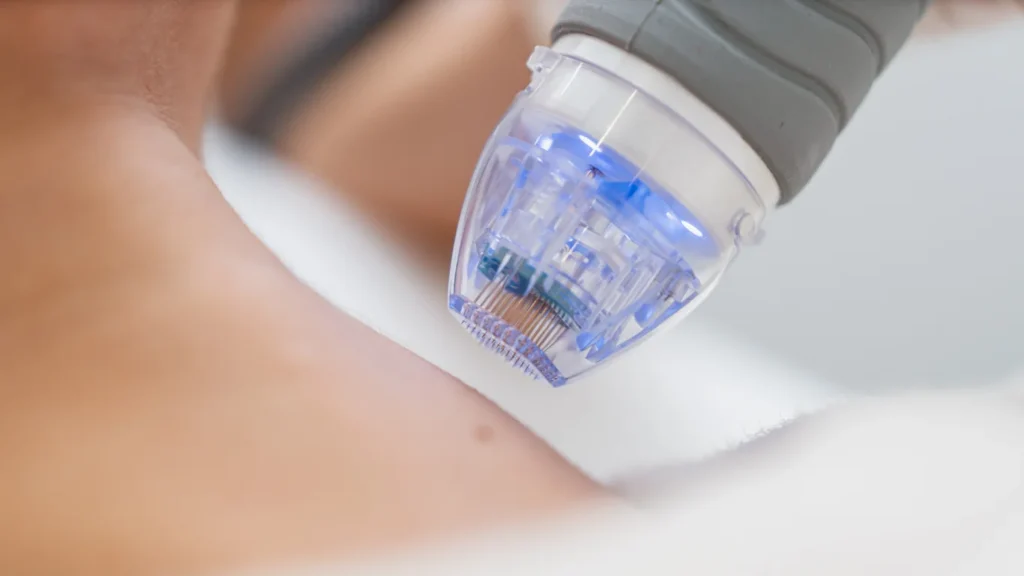
This technique removes microscopic cores of skin, spaced evenly across the treatment area. The surrounding tissue then:
This process leverages the skin’s inherent wound-healing response to create controlled skin contraction — tightening without large incisions.
It represents a different mechanical strategy compared to heat-based tightening alone.
No single layer ages on its own.
That’s why many modern protocols focus on stacking complementary treatments rather than relying on one modality.
Combining:
can create a more resilient tissue environment.
This cumulative effect supports not just lift, but also skin quality, elasticity, and recovery capacity — contributing to a more youthful “bounce” rather than a tight or pulled appearance.
Facial aging is architectural.
Supporting the face means understanding:
Modern non-surgical strategies aim to work with this anatomy — influencing deep layers, encouraging biological rebuilding, and improving how tissues support one another over time.
The goal is not to freeze aging, but to restore structural harmony — layer by layer — without a scalpel.