- 501 Orchard Road, #04-08 Wheelock Place, Singapore 238880
- (65) 6235 4429
- hello@vidaskinclinic.com
- (65) 9830 0597

TLDR: The Step-by-Step Recovery Guide
Atrophic scars — such as acne scars — are not just surface irregularities. They are the result of structural damage, collagen loss, and fibrotic tethering beneath the skin. As a result, modern scar treatment has evolved beyond single-device solutions.
In 2026, effective atrophic scar remodeling follows a multi-phase biological protocol, designed to prepare the skin, release scar anchors, stimulate controlled repair, and protect healing tissue at every stage.
Many people begin their journey by searching for how to get rid of acne scars quickly, often expecting a single laser session to provide a “reset” button. However, true remodeling is a biological marathon, not a sprint. To successfully navigate the process of removing acne scars, one must look beyond the surface and address the underlying structural damage through a coordinated, multi-phase protocol.
This guide explains that process step by step.
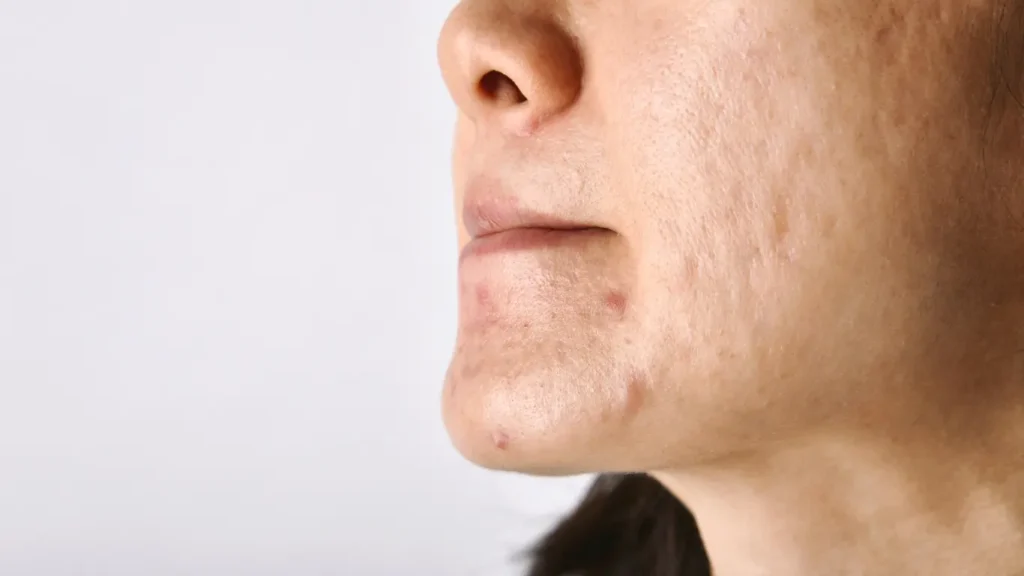
Scar remodeling does not begin with lasers or needles — it begins weeks before treatment.
The Priming Phase focuses on conditioning the skin using Vitamin A derivatives (such as retinoids), which help:
By strengthening the skin before controlled injury is introduced, the dermis is better equipped to produce organised collagen rather than reactive scar tissue.
This phase also helps regulate inflammation, which is critical for patients prone to post-inflammatory pigmentation or prolonged redness.
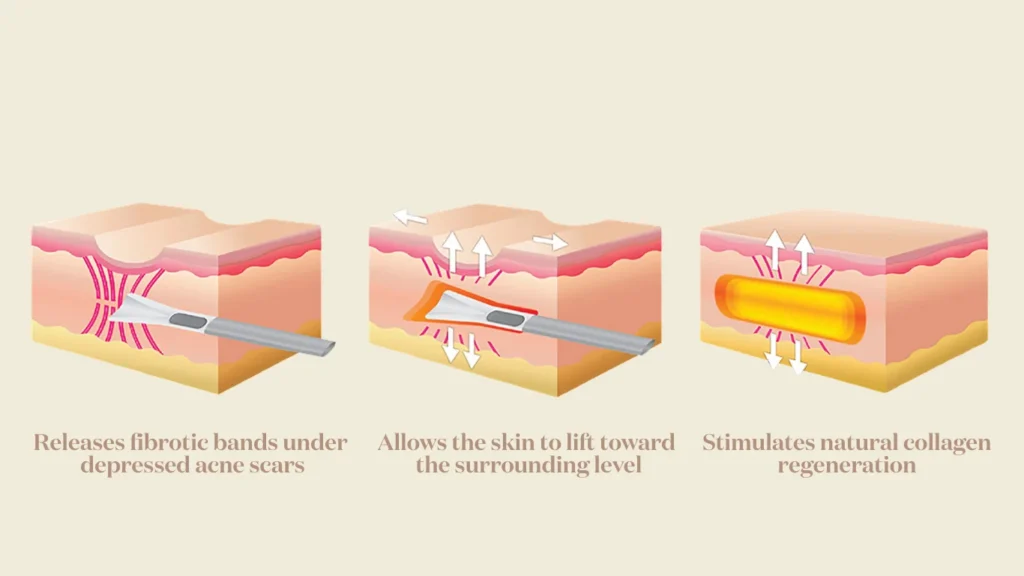
Many atrophic scars appear “sunken” not because of surface damage alone, but because they are anchored downwards by fibrotic bands.
This is where Breaking the Tether becomes essential.
Through a mechanical process known as subcision, these fibrous strands are released, allowing the “floor” of the scar to:
Without releasing these tethers, resurfacing treatments alone may improve texture but leave depth unchanged.
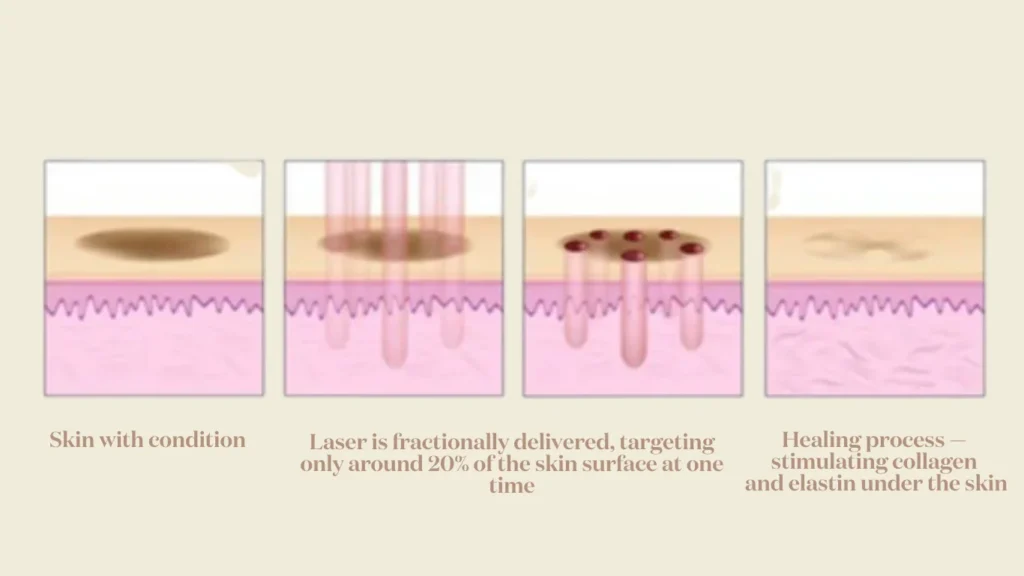
After structural release, the next step is controlled stimulation — not total skin injury.
Precision Resurfacing uses fractional technology, which treats only around 20% of the skin surface at one time. The remaining 80% of untouched skin plays a crucial role by:
This fractional approach allows deeper stimulation while maintaining a safety buffer, particularly important for Asian skin types or patients with pigmentation concerns.
One of the most significant developments in scar recovery is post-treatment biological signalling support.
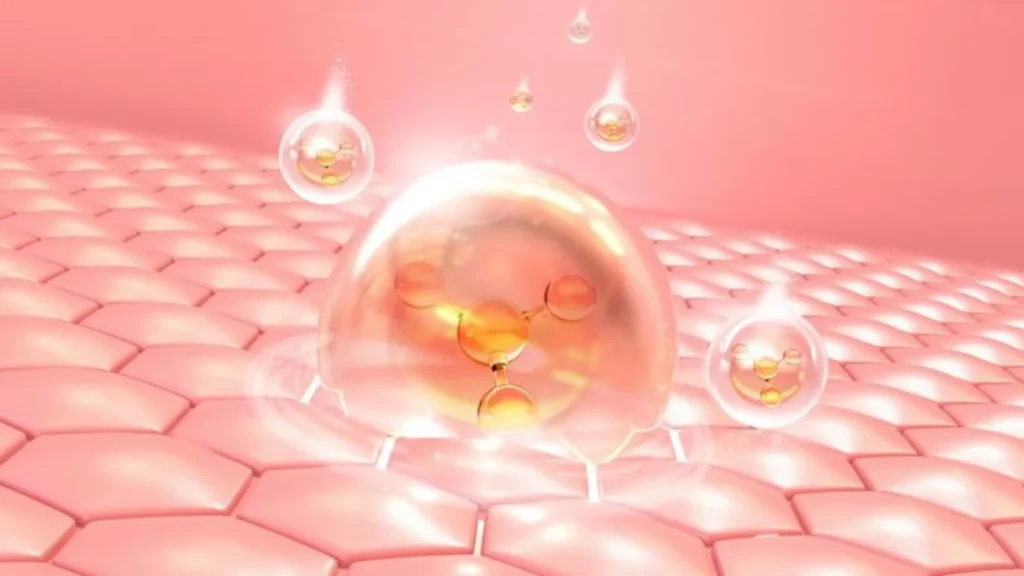
The Exosome Revolution refers to the application of biotech-derived messenger vesicles immediately after treatment. These vesicles contain signalling molecules that help:
When applied during the post-procedure window, studies suggest they may reduce redness duration by up to 50%, helping skin stabilise faster during the early recovery phase.
A common misconception is that scar improvement happens as soon as redness fades. In reality, visible change is only the beginning.
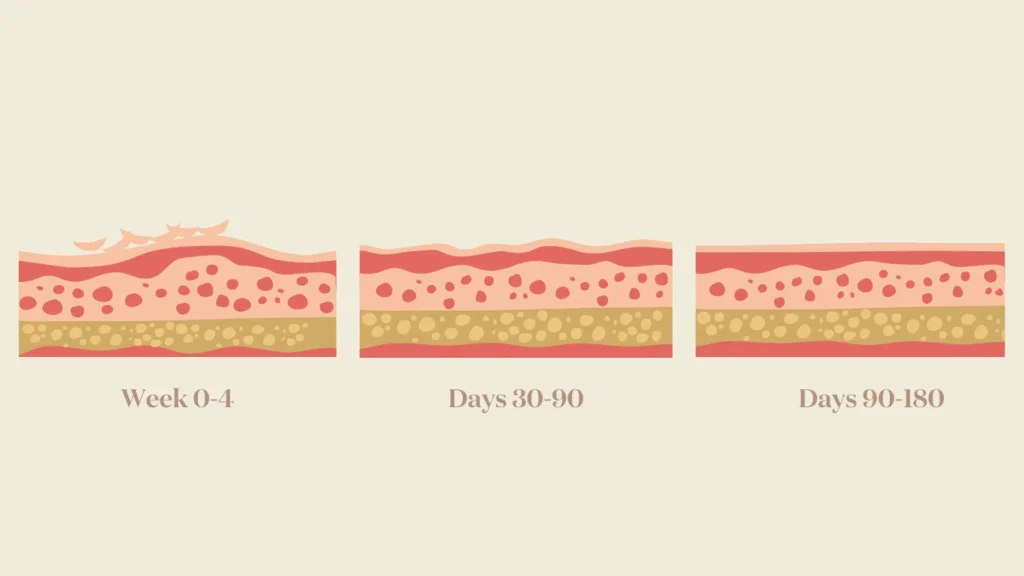
The Collagen Maturation Cycle explains why the most meaningful remodeling occurs between days 90 and 180.
Month-by-month overview:
This maturation phase is where scars gradually become shallower and smoother — even though no further procedures are being performed.
Post-procedure skin is biologically vulnerable — not just to sunlight, but also to visible light exposure.
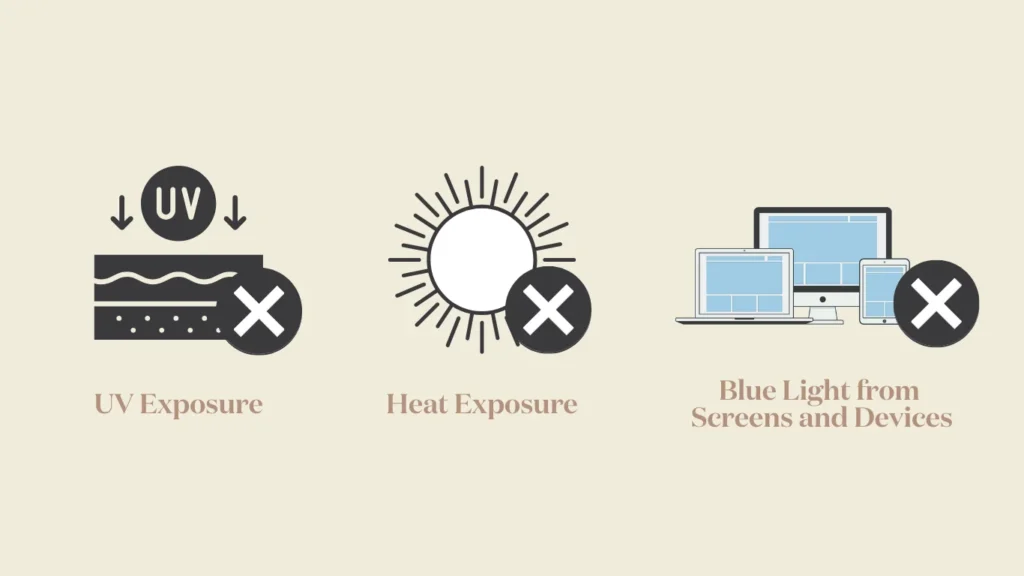
Environmental Shielding in 2026 includes protection against:
During the critical 14-day post-procedure window, blue light can:
This is why post-treatment care increasingly includes broad-spectrum protection that covers both UV and visible light, alongside gentle skincare and heat avoidance.
Modern scar treatment is no longer about choosing the “strongest” laser or the “most aggressive” setting. Instead, it’s about sequencing:
This protocol-driven approach reflects how scar remodeling is practiced heading into 2026 — methodical, layered, and recovery-focused.
Atrophic scars represent a complex interaction between structure, inflammation, and healing biology. Effective remodeling respects that complexity.
By understanding each phase — from priming to environmental shielding — patients are better equipped to commit to a process that prioritises skin health, safety, and long-term improvement, rather than quick fixes.