- 501 Orchard Road, #04-08 Wheelock Place, Singapore 238880
- (65) 6235 4429
- hello@vidaskinclinic.com
- (65) 9830 0597
For more than a decade, I have spent much of my working life looking at skin and faces.
Patients come to see us because of acne, pigmentation, hair loss, skin ageing, sagging, or simply because they feel that they look more tired than they used to. And of course, there is a great deal that aesthetic medicine can do to help.
But increasingly, I find myself asking a bigger question:
What if looking well is only one part of the picture?
The skin is, after all, an organ of the human body. It does not exist independently of everything else that is happening within us.
Our hormones change. We lose muscle. Our metabolism changes. We sleep poorly. We become more insulin resistant. Chronic inflammation may increase with age. Stress affects us. Nutrition matters. And, particularly for women, the transition through perimenopause and menopause can bring changes that extend far beyond the skin.
All of these things made me want to understand ageing differently.
It is why I have decided to pursue further postgraduate training in Healthy Longevity Medicine, with the intention of progressing through postgraduate study towards a Master’s qualification.
For me, this is not about moving away from aesthetic medicine.
It is about expanding what good aesthetic medicine can mean.
We sometimes talk about the skin as though it exists separately from the rest of the body.
It doesn’t.
Skin biology is influenced by hormones, immune function, metabolic health, nutrition, ultraviolet exposure, smoking, sleep, and many other internal and external factors.
This becomes particularly obvious when we see patients with concerns such as persistent acne, sudden changes in skin quality, hair thinning or accelerated signs of ageing.
Sometimes the appropriate treatment really is a treatment for the skin.
But sometimes the right question is:
“Is there something else going on?”
A patient presenting with hair loss, for example, may require us to think beyond the scalp. Depending on the clinical history, we may need to consider iron status, thyroid function, nutritional factors, hormonal changes or other medical causes.
Likewise, treating adult acne should not automatically mean reaching for another facial, peel or laser. In the appropriate patient, we may need to think about hormones, medications and other contributing factors while treating the acne itself.
This is the kind of medicine I want us to practise at VIDASKIN.
Not because every aesthetic concern has an underlying disease—it does not—but because good medicine starts with understanding the patient before deciding on the treatment.
One area I have become particularly interested in is perimenopause and menopause.
Many women first notice that something is changing without necessarily knowing why.
Their skin may suddenly feel drier or thinner. Hair may change. Body composition can shift. Sleep may become more difficult. They may experience hot flushes, changes in mood or energy, or simply feel that their body is responding differently despite doing the same things they have always done.
There are biological reasons for some of these changes.
Oestrogen has effects on many tissues, including the skin. The menopausal transition is associated with changes in collagen, skin thickness, hydration and elasticity, while hormonal changes also affect bone, muscle, metabolic and cardiovascular health.
So if a woman in her 40s or 50s tells me, “I suddenly feel like I’ve aged,” I don’t want my only response to be, Which machine should we use?
Perhaps Ultherapy PRIME or another aesthetic treatment is appropriate for her facial concern.
But I also want us to be capable of asking:
How are you sleeping?
Has your menstrual cycle changed?
How is your energy?
Has your body composition changed?
Are you exercising and maintaining muscle?
Could this be part of the menopausal transition?
Is there anything that requires investigation or referral?
That conversation is much bigger than aesthetics.
And I think it should be.
Another concept that has changed the way I think about ageing is inflammaging.
The term describes the chronic, low-grade inflammatory state that tends to increase with ageing.
This does not mean that inflammation is inherently bad. Acute inflammation is an essential part of normal immunity and healing. The concern is persistent, dysregulated, low-level inflammation over time.
Inflammaging is being studied in relation to many age-associated conditions, and it also gives us a useful framework for thinking about ageing as a whole-body process.
For me, the important lesson is not that we should start ordering enormous panels of “inflammation tests” for everyone or selling treatments claiming to reverse inflammation.
Quite the opposite.
Longevity medicine has made me even more conscious of the need to distinguish between interesting science, clinically useful evidence and wellness marketing.
There is an enormous amount of information—and misinformation—in the longevity space.
Part of the reason I am undertaking formal postgraduate training is precisely because I want the scientific framework to evaluate it properly.
Aesthetic medicine can change how somebody looks.
It cannot, by itself, make somebody healthy.
You can have beautiful skin and poor metabolic health. You can have wrinkles and be exceptionally healthy. And treating someone’s pigmentation does not improve their cardiovascular fitness.
I think we have to be very clear about that.
But there is also an interesting intersection between the two worlds.
Many of the behaviours associated with healthy ageing—regular exercise, adequate nutrition, avoiding smoking, sensible sun protection, sufficient sleep and maintaining physical function—also influence how we look and feel.
And this is where I see the future of our practice developing.
I don’t want us to promise that looking younger means you are biologically younger.
Instead, I want us to help our patients think about ageing more completely.
For many years, patients have trusted us with something quite personal: how they feel about themselves.
Often, the conversation that begins with skin does not end there.
A patient might come in asking about her jawline and eventually tell us she hasn’t slept properly for six months.
Another might ask about hair loss and reveal that her periods have become irregular.
Someone else may be frustrated by changes in her face while simultaneously noticing that she is losing strength, gaining abdominal fat and feeling exhausted.
These conversations deserve more than an aesthetic answer.
That does not mean an aesthetic clinic should suddenly try to manage every aspect of medicine. There must be boundaries. Appropriate investigation, evidence-based treatment and referral to the right specialists remain essential.
But I do believe we can become better at recognising the bigger picture.
The word “holistic” is used so frequently that it can sometimes lose its meaning.
To me, holistic medicine does not mean abandoning conventional medicine or replacing evidence with alternative therapies.
It means looking at the whole patient.
If someone comes to us with hair loss, we should know when to investigate possible medical causes.
If an adult develops persistent inflammatory acne, we should treat the acne while considering relevant contributing factors.
If a woman entering perimenopause notices changes in her skin, hair, sleep, mood and body composition, we should recognise that these may be interconnected rather than treating every concern as an entirely separate problem.
And if we identify something beyond our scope, good holistic care also means knowing when to refer.
That is the model of care I hope to develop further at VIDASKIN.
I am already a doctor. I have spent years practising aesthetic medicine, attending conferences, teaching other doctors and learning new techniques.
So why go back to university?
Because longevity medicine is developing extraordinarily quickly.
There are exciting areas of research in geroscience, biomarkers of ageing, exercise physiology, nutrition, metabolic health and preventative medicine. There are also interventions being marketed long before we have convincing evidence that they improve meaningful human outcomes.
I don’t want to learn longevity medicine from Instagram, podcasts or companies trying to sell me something.
I want a framework that helps me ask better questions:
What is the evidence?
How strong is it?
Was this demonstrated in cells, mice or humans?
Does improving a biomarker actually improve health outcomes?
What are the risks?
And most importantly: will doing this meaningfully help the person sitting in front of me?
That, more than collecting another qualification, is why I am embarking on this next stage of training.
I still love aesthetic medicine.
There is value in helping somebody look less tired, feel more confident, or recognise themselves in the mirror again. There is nothing superficial about wanting to feel good about how you look.
But I increasingly believe our responsibility can extend further.
As our patients grow older with us, I want us to think not only about how their faces are ageing, but also about how they are ageing as human beings.
Are they strong?
Are they metabolically healthy?
Are they sleeping well?
Are hormonal changes affecting their quality of life?
Are we preserving function as well as appearance?
And are there things we should recognise early enough to make a meaningful difference?
The goal is not immortality.
And it certainly isn’t to make everyone look 25 forever.
It is something much more sensible:
To help our patients look good, feel great, and remain healthy and functional for as much of their lives as possible.
That is what healthy longevity means to me.
And that is the direction I hope to bring VIDASKIN towards in the years ahead.
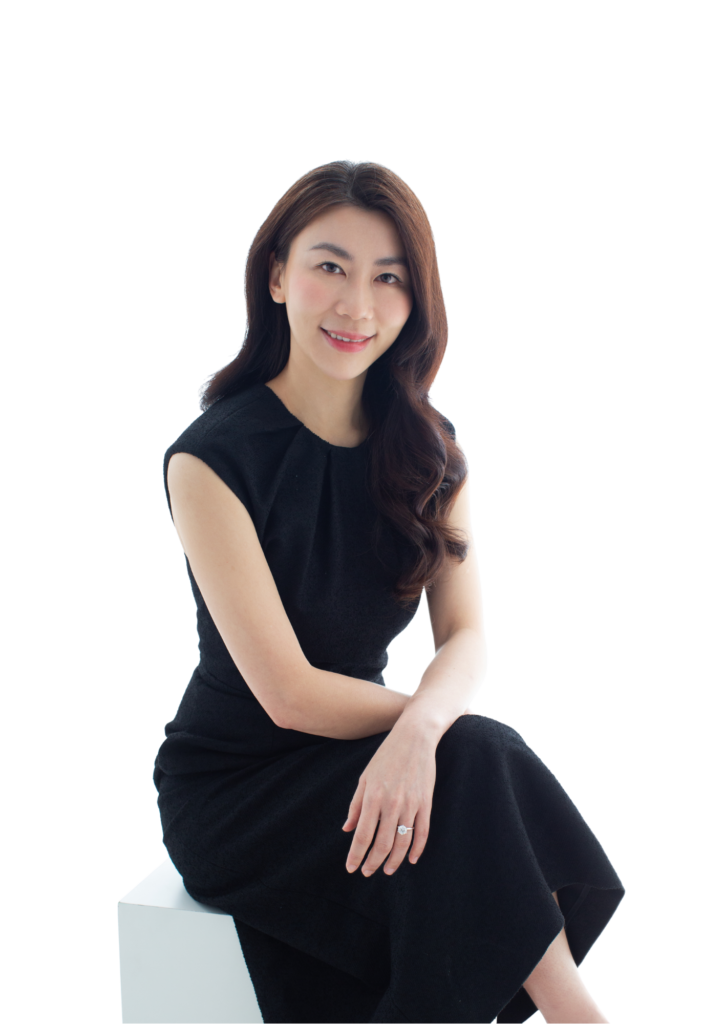
Founded in 2015, Dr Vicki has grown with the clinic, to become one of the leading aesthetic clinicians in Singapore. She is an appointed key opinion leader and trains other aesthetic doctors on how to best use prestigious brands and treatments.
