- 501 Orchard Road, #04-08 Wheelock Place, Singapore 238880
- (65) 6235 4429
- hello@vidaskinclinic.com
- (65) 9830 0597

Laser treatment is one of the commonly used approaches to address pigmentation concerns such as sunspots, freckles, melasma, and post-inflammatory marks. Different laser technologies target pigment in different ways, and outcomes vary depending on pigment type, depth, skin tone, and individual factors.
For patients exploring pigmentation treatment Singapore, a proper assessment is important, as not all pigmentation behaves the same or responds to the same treatment approach.
At VIDASKIN, pigmentation is assessed based on skin tone, depth of pigment, lifestyle factors, and treatment history before recommending a treatment plan.
Pigmentation refers to the colouring of the skin caused by melanin, a natural pigment produced by melanocytes. When melanin production becomes uneven or excessive in certain areas, visible dark patches or spots may appear.

Once triggered, pigment may accumulate at different skin depths, which affects how it responds to treatment.
Pigmentation can appear as:
Understanding pigmentation causes and pigmentation types helps guide treatment selection.
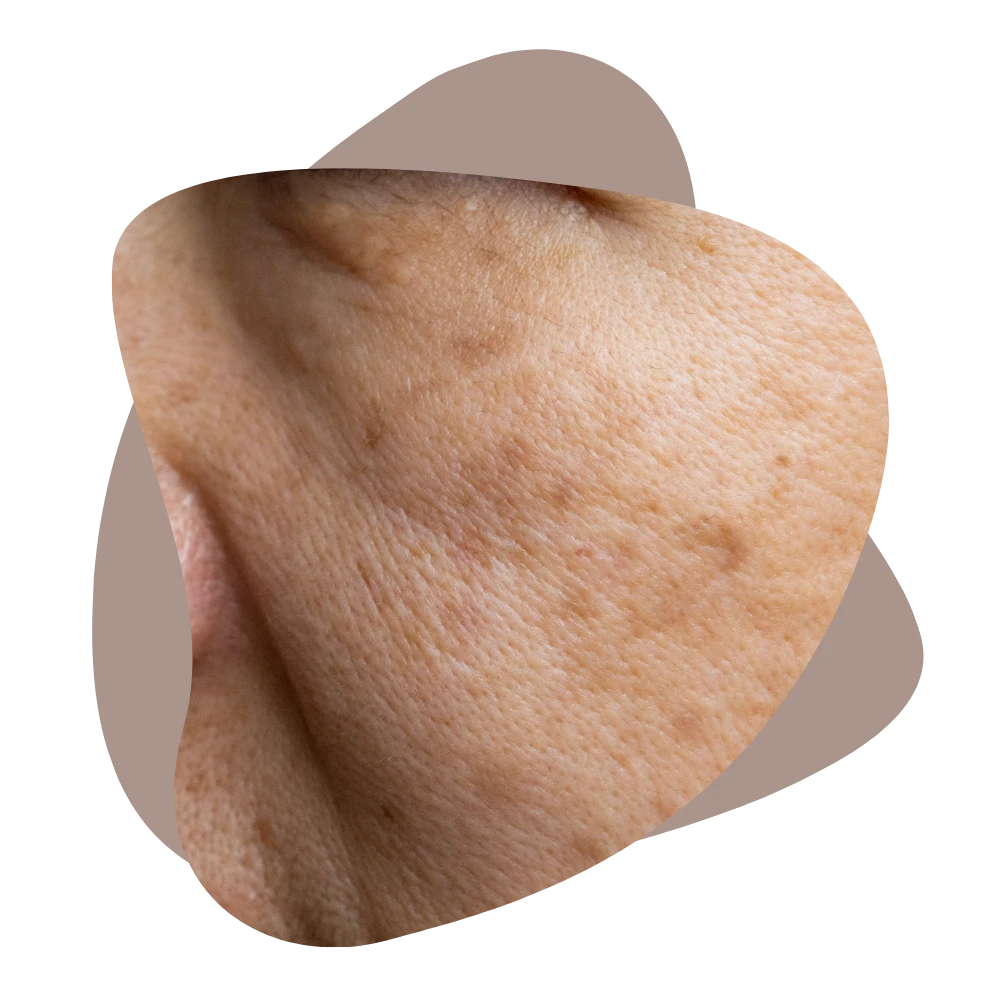
Different pigmentation conditions behave differently and often require different approaches.
Common types include:
Because pigment can sit at varying skin depths, no single treatment suits all pigmentation patterns.

Pigmentation may worsen or recur due to:
Laser and light-based technologies work by delivering controlled energy into the skin. Melanin absorbs this energy, leading to fragmentation of pigment particles. Over time, these fragmented pigments are cleared naturally through skin turnover processes.
Laser treatment to remove pigmentation does not guarantee complete removal, and multiple sessions are commonly required. Treatment response varies depending on pigment depth, skin type, and adherence to aftercare.


Suitability depends on skin type, pigment depth, and individual assessment.

Pigmentation is often multifactorial. In some cases, laser treatment alone may not be sufficient.
Your doctor may recommend combining treatments such as:
Treatment combinations are individualised based on assessment.
Different pigmentation conditions behave differently and often require different approaches.
Common types include:
General / Safety
Suitability depends on skin type, pigmentation depth, medical history, and lifestyle factors. A consultation is required to determine appropriateness.
Laser settings and treatment plans vary by skin tone. Some skin types require more conservative approaches.
Results & Expectations
Multiple sessions are commonly required. The number varies depending on pigmentation type and response.
Laser treatment aims to improve pigmentation appearance. Complete removal cannot be guaranteed.
Procedure
Sensation varies. Most patients describe mild to moderate discomfort, and cooling or numbing may be used.
Sessions typically take 15–30 minutes, depending on treatment area.
Safety
When performed by trained medical professionals, laser treatments are commonly used. Risks such as redness, swelling, or pigment changes should be discussed during consultation.
Persistent pain, unusual discoloration, or worsening symptoms should be reviewed promptly.
Types of Lasers
There is no single “best” laser. Selection depends on pigmentation depth, type, and skin tone.
Maintenance
Pigmentation may recur, especially with ongoing sun or heat exposure. Maintenance care and sun protection are important.
Comparisons
Some pigmentation responds better to lasers, while others benefit from topical or combination treatments. Your doctor will advise based on assessment.
