- 501 Orchard Road, #04-08 Wheelock Place, Singapore 238880
- (65) 6235 4429
- hello@vidaskinclinic.com
- (65) 9830 0597

Asian skin (typically Fitzpatrick III–V) contains higher baseline melanin activity. While this offers some natural UV protection, it also means the skin is more reactive to inflammation, heat, and injury, which can trigger excess pigment production. Because of this, treating pigmentation in Asian skin is not simply about removing pigment—it is about doing so without overstimulating melanocytes.
Solar lentigines are well-defined brown spots caused by cumulative UV exposure. They tend to respond well to targeted laser treatments because the pigment is more superficial and stable compared to other conditions.
Melasma is a chronic, hormonally influenced condition characterised by diffuse, patchy pigmentation. It is not just a pigment issue but also involves vascular, dermal, and inflammatory pathways—making it more prone to recurrence if treated aggressively.

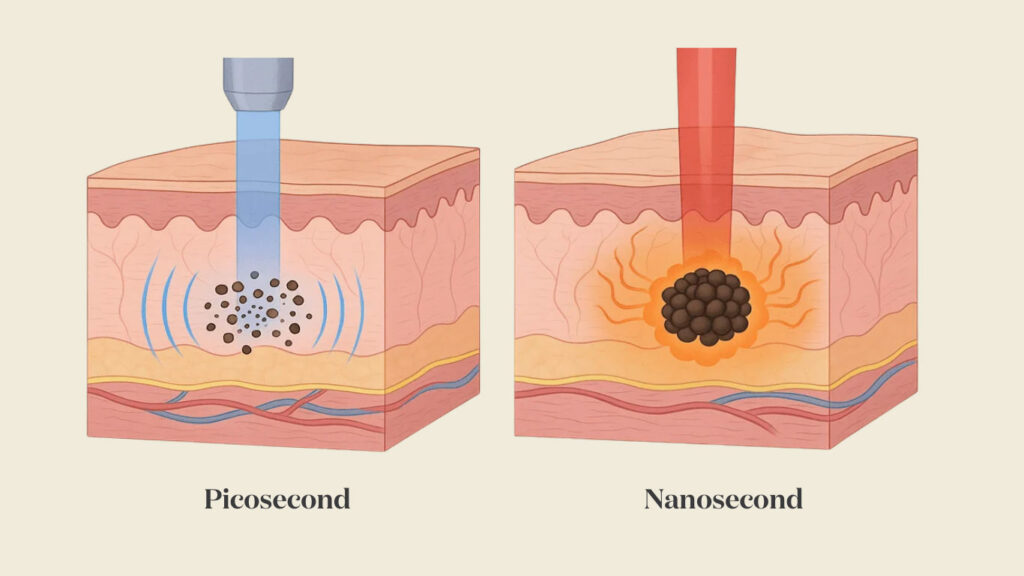
Modern pigmentation management relies on selecting the right pulse duration to fragment pigment safely while minimising thermal injury.
Nanosecond (Q-switched) lasers deliver energy in billionths of a second.
They primarily rely on a photothermal effect, meaning heat is generated to break down melanin.
While effective, excessive thermal energy can:
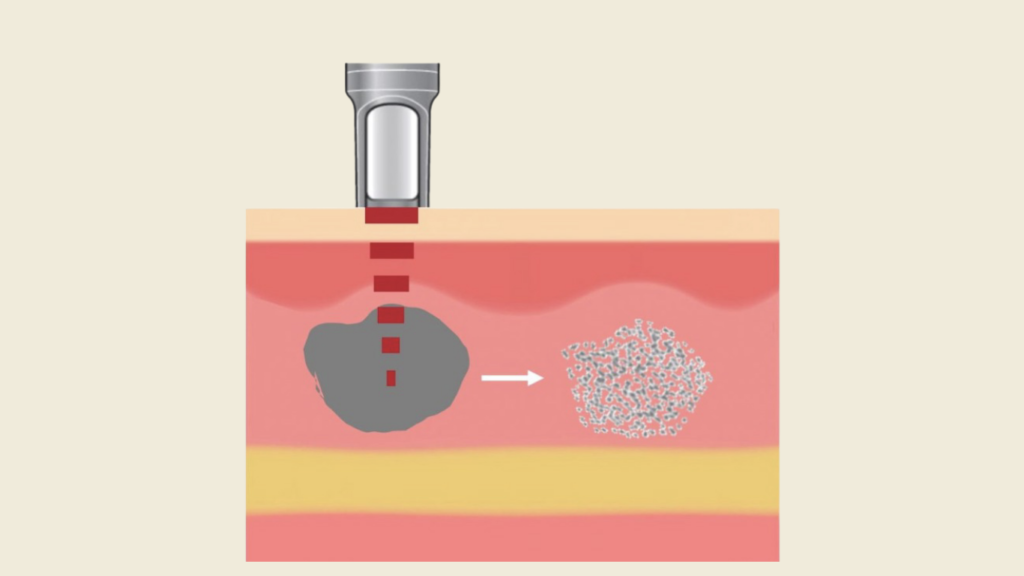
Picosecond technology delivers energy in trillionths of a second, creating a photo-acoustic (mechanical) effect rather than a purely heat-based one.
This allows:
In Asian skin, overtreatment is one of the most common reasons pigmentation worsens rather than improves. High fluence, excessive passes, or attempts to “clear everything in one session” can activate melanocytes defensively.
This leads to:
Low-fluence laser toning uses gradual, repetitive energy delivery to regulate melanocyte activity over time instead of destroying pigment abruptly.
This method supports controlled lightening while maintaining skin stability—particularly important for melasma management.
Preparing the skin is a critical yet often overlooked step in pigmentation treatment.
Topical agents that regulate melanin production help stabilise melanocytes before laser exposure.
This reduces the likelihood of rebound pigmentation and improves treatment predictability.
Patients are typically advised to:

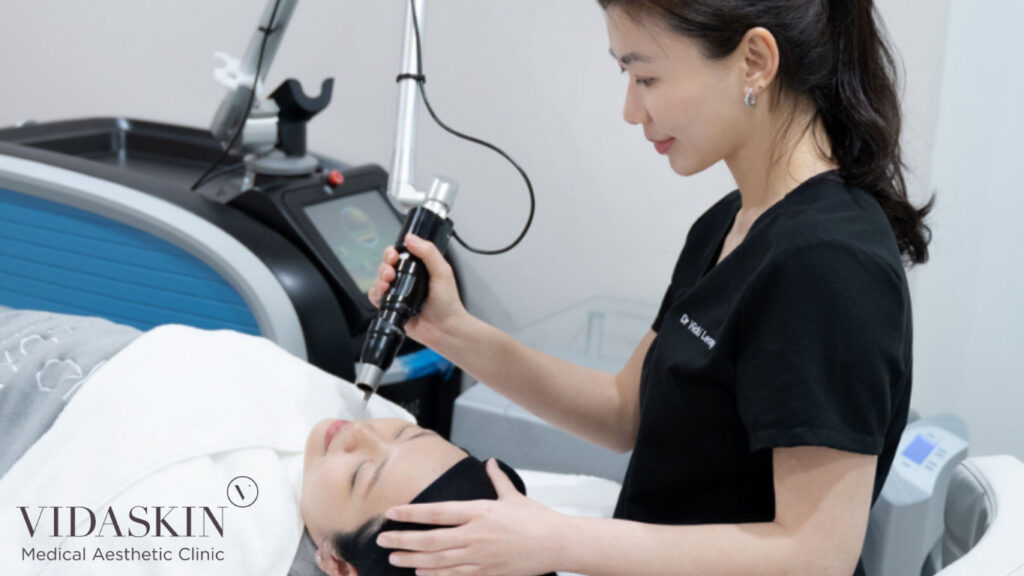
Treatment sessions are generally well tolerated and designed to deliver controlled energy to the pigment while preserving the surrounding tissue.
Managing residual heat is essential to prevent melanocyte reactivation.
Cooling methods and calming topical applications are used to:
Strict photoprotection and appropriate skincare are key to preventing recurrence.
PIH prevention is considered part of the treatment, not just aftercare.
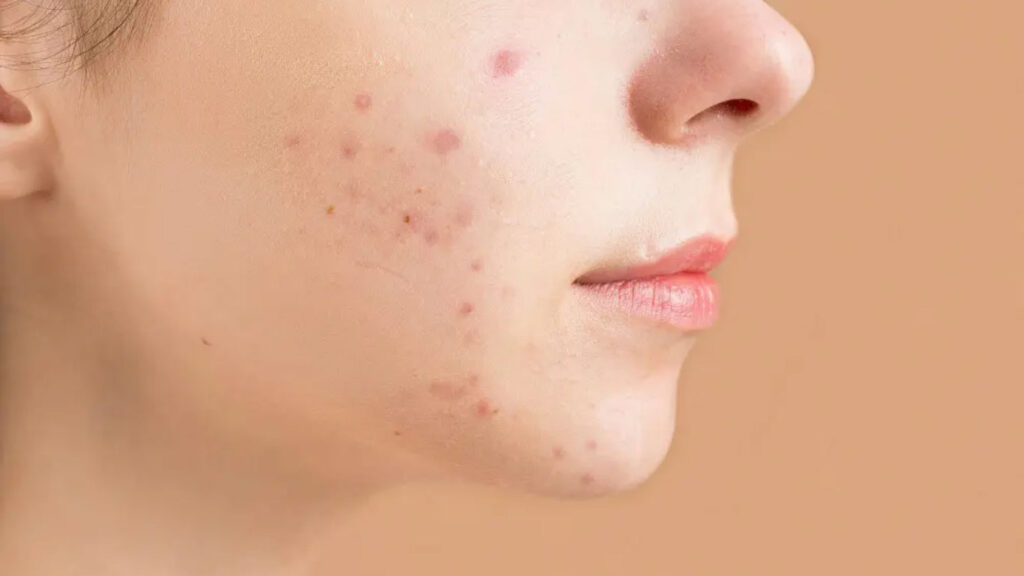
Laser treatment may be considered for individuals who:
A personalised assessment is important to determine the correct device, fluence, and treatment interval.
At VIDASKIN Medical Aesthetic Clinic, pigmentation treatment planning involves evaluating pigment depth, skin sensitivity, and individual triggers before selecting an appropriate laser approach.
This ensures that treatment strategies prioritise skin stability and long-term control, especially for Asian skin types.
When performed with appropriate settings and patient selection, picosecond technology can be suitable for darker skin types due to reduced thermal injury compared to traditional methods.
Most pigmentation concerns require a series of treatments spaced several weeks apart, as gradual correction is safer and more sustainable.
Yes. Pigmentation is influenced by UV exposure, hormones, and inflammation. Maintenance care is often necessary to help manage recurrence.
Melasma is considered a chronic condition that can be controlled and improved, but it may not be permanently eliminated.
Downtime is typically minimal. Some patients experience mild redness or sensitivity that resolves within a few days, depending on treatment intensity.
