- 501 Orchard Road, #04-08 Wheelock Place, Singapore 238880
- (65) 6235 4429
- hello@vidaskinclinic.com
- (65) 9830 0597

Facial sagging is a natural part of ageing, but modern aesthetic medicine offers effective solutions without the need for surgery. Today, sagging face treatment options focus on lifting, tightening, and restoring volume using non-invasive and minimally invasive techniques.
At VIDASKIN Clinic, we provide personalised treatment plans designed to improve skin firmness while maintaining natural-looking results.
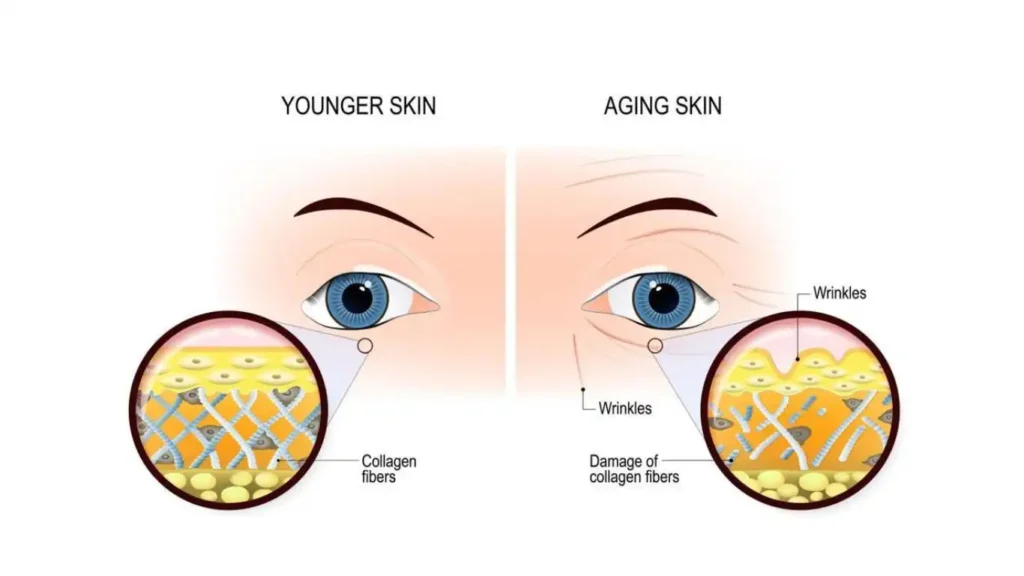
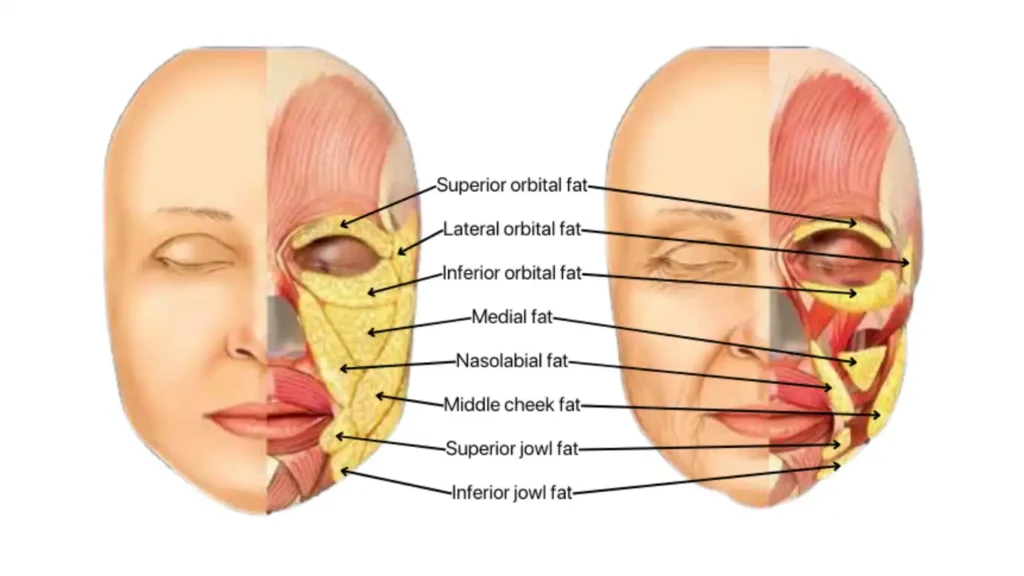
Facial sagging occurs due to a combination of factors:
These changes gradually lead to looser, less defined facial contours.
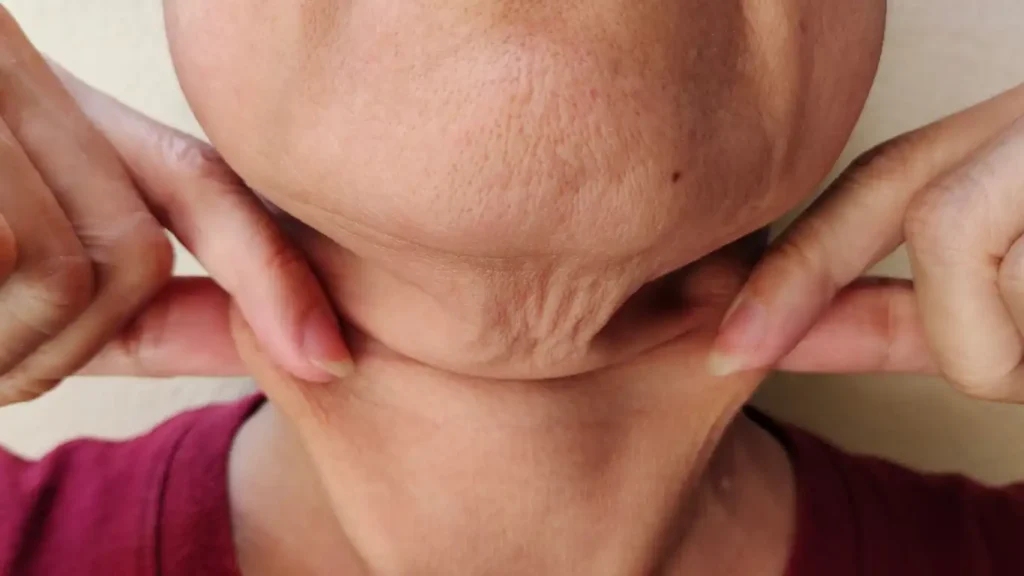
Skin laxity can present as:
Even mild sagging can significantly impact overall facial harmony.
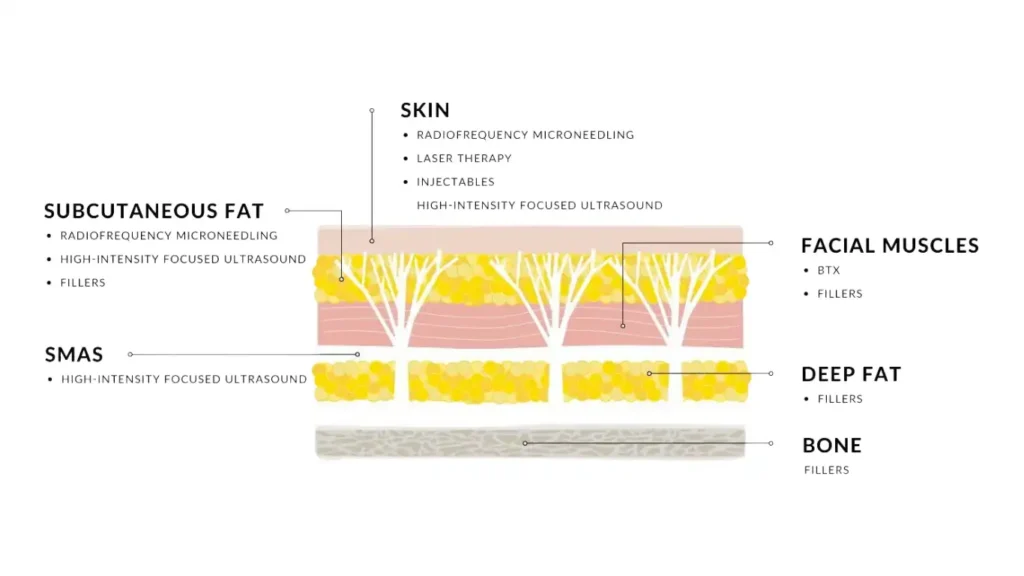
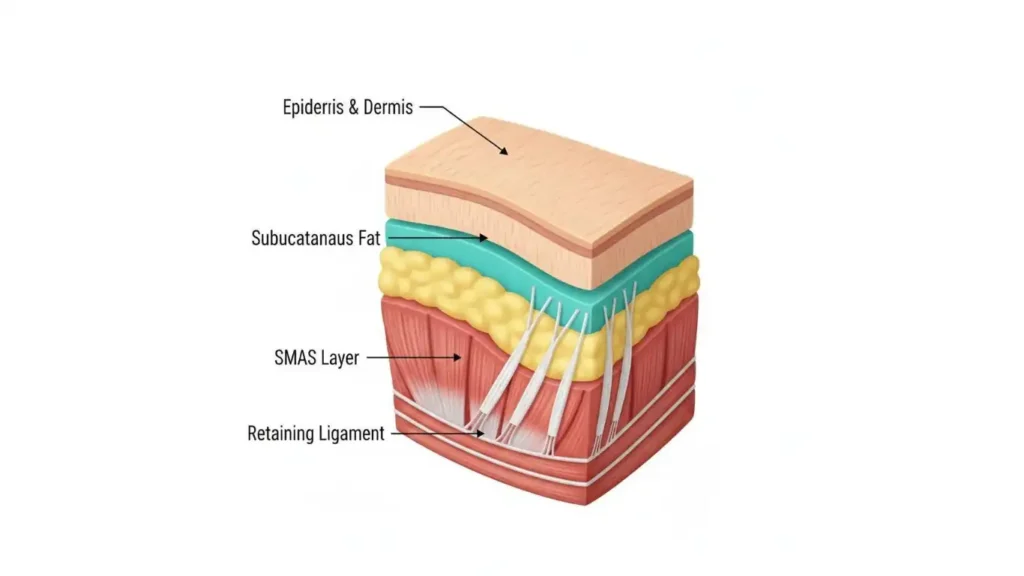
The SMAS (Superficial Musculoaponeurotic System) is a key structural layer beneath the skin.
Proper assessment helps determine the most suitable treatment approach.
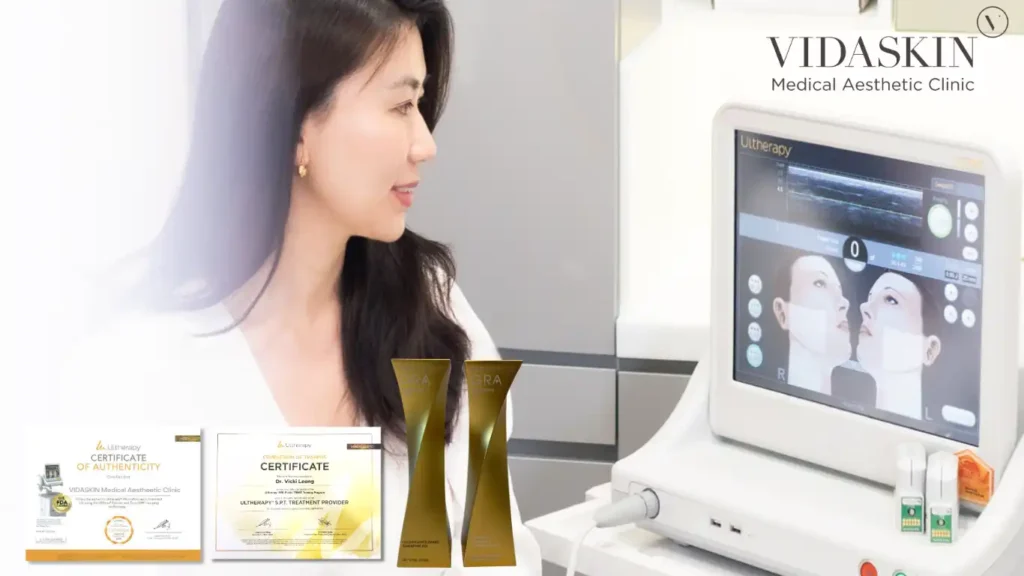
Ultrasound treatments (e.g., Ultherapy) work by:
They are popular for non-surgical facelifts with minimal downtime.
Dermal fillers restore lost volume and improve facial contours:
They are especially effective when sagging is related to volume loss.
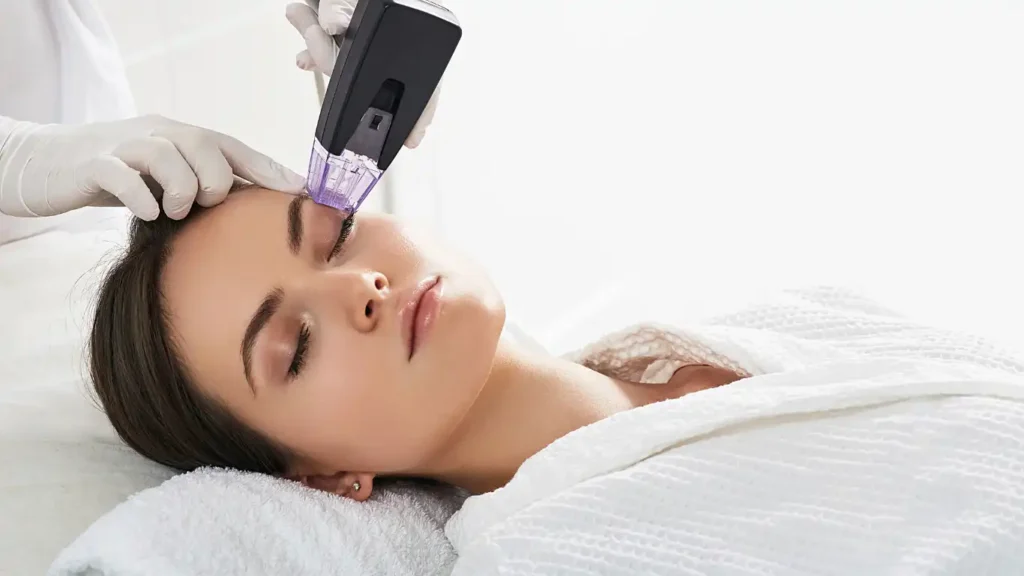
Radiofrequency (RF) treatments:
They are suitable for mild to moderate skin laxity.
The best results often come from combining treatments:
This multi-layered approach addresses sagging from different angles.
Non-surgical treatments can:
Results are natural-looking rather than dramatic.
Results vary depending on treatment type:
To maintain results:
Long-term maintenance ensures sustained improvements.
Choosing the right sagging face treatment requires professional evaluation and a personalised plan.
At VIDASKIN Clinic, we offer:
Our goal is to help you achieve a firmer, more youthful appearance without surgery..
A combination of ultrasound, fillers, and radiofrequency treatments is often the most effective approach.
Yes, modern treatments can improve skin firmness and provide lifting effects without surgery.
Results vary but typically last several months to over a year, depending on the treatment.
Most treatments involve minimal discomfort and may include numbing for added comfort.
Early intervention often leads to better and more natural-looking results.