- 501 Orchard Road, #04-08 Wheelock Place, Singapore 238880
- (65) 6235 4429
- hello@vidaskinclinic.com
- (65) 9830 0597

Melasma is a common skin condition that causes brown or greyish-brown patches to appear on the face—most often on the cheeks, forehead, upper lip, and jawline. It is more prevalent in women and individuals with darker skin tones, especially in tropical climates like Singapore’s. Due to its chronic and recurring nature, many patients seek the best melasma treatment for the face to manage and improve their skin condition.
In this article, we explain what causes melasma and explore the most effective melasma treatment options available in Singapore today.
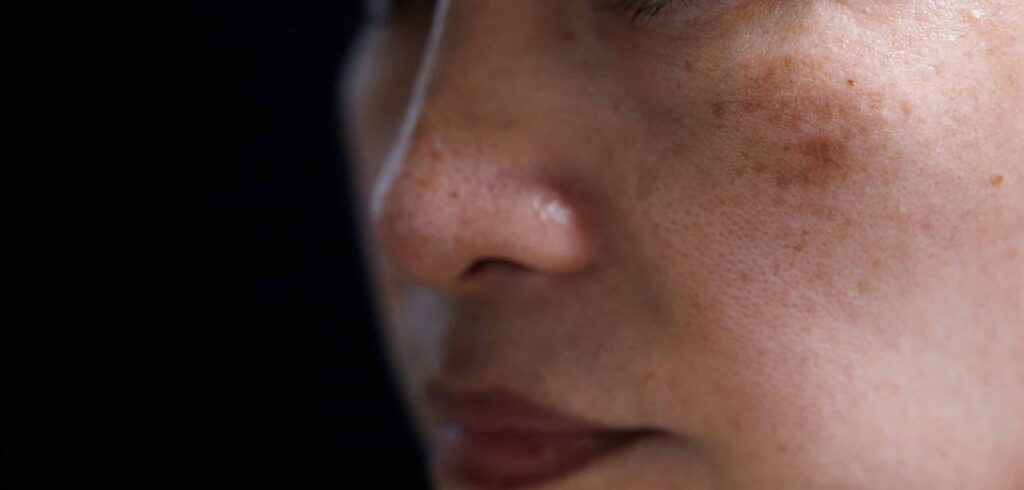
Melasma develops when pigment-producing cells (melanocytes) become overactive and produce excess melanin. Several factors contribute to this process:
Photosensitising skincare or medications

Unlike superficial pigmentation, melasma often extends into deeper layers of the skin (dermal pigmentation), and it is sensitive to heat, light, and inflammation. As a result, this makes it prone to recurrence, even after initial improvement. Successful management requires a multimodal and long-term approach, tailored to the individual’s skin type and triggers.

A strong foundation of prescription-strength and medical-grade skincare is essential. Common ingredients include:
Typically, these work by suppressing melanin production and reducing inflammation, thereby helping to lighten pigmentation gradually over time.
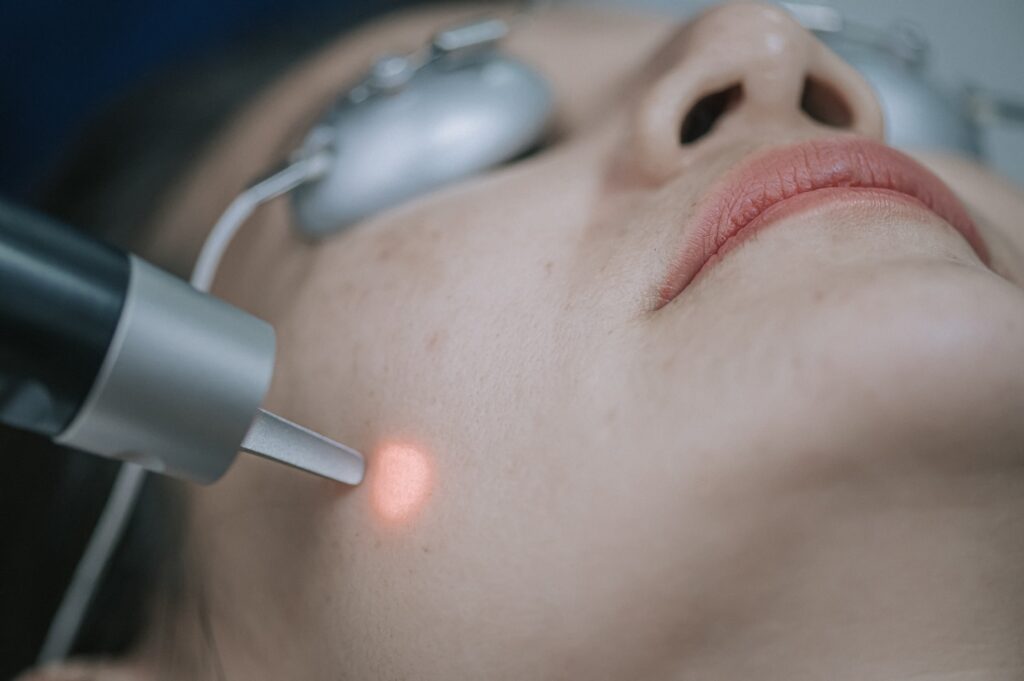
Certain low-energy pigment lasers can be used cautiously for melasma. These include:
When it comes to melasma treatment in Singapore, laser procedures must be performed conservatively, as melasma may worsen if the skin becomes inflamed. A doctor experienced in pigmentary conditions can recommend suitable parameters and post-laser care.

Low-dose oral tranexamic acid may be prescribed for suitable candidates to help regulate pigment activity from within. It is especially helpful in hormonally driven melasma and has shown good results when used in combination with topical treatments.

Specialised chemical peels such as Cosmelan or Dermamelan are often used to treat stubborn melasma. They work by exfoliating superficial pigments whilst downregulating melanocyte activity to reduce the risk of recurrence. Cosmelan or Dermamelan can be used alongside your other treatments to further enhance results.

First and foremost, daily use of broad-spectrum sunscreen (with protection against UVA, UVB, and visible light) is non-negotiable. This is because melasma is highly photosensitive, and even short-term sun exposure can trigger or worsen pigmentation.
Additional tips include:
Reviewing hormone-related medications with a healthcare provider
While there is no one-size-fits-all solution, the best melasma treatment for the face is a combination of therapies personalised to your skin type, depth of pigmentation, and lifestyle. In many cases, this includes:
Melasma can be managed effectively with the right medical guidance and patient commitment.
Melasma is a complex pigmentary disorder that requires a multi-pronged, long-term treatment plan. The best results often come from a combination of topical products, professional treatments, and strict sun protection. With a personalised approach guided by a trained medical professional at a trusted medical aesthetic clinic in Singapore, it is possible to significantly improve the appearance of melasma and maintain long-term skin clarity.