- 501 Orchard Road, #04-08 Wheelock Place, Singapore 238880
- (65) 6235 4429
- hello@vidaskinclinic.com
- (65) 9830 0597

Milia are small, white or yellowish bumps that typically appear around the eyes, cheeks, and nose. Although they are harmless, many people seek treatment due to their appearance and persistence. In this article, we explain what Milia are, why they occur, and how Milia seed removal can be safely and effectively done.

Milia (singular: milium) are tiny cysts that form when keratin — a protein found in the skin — becomes trapped beneath the skin’s surface. They are commonly found in newborns but can also develop in older children and adults.
There are two main types of milia:
Some common factors that can contribute to milia formation include:
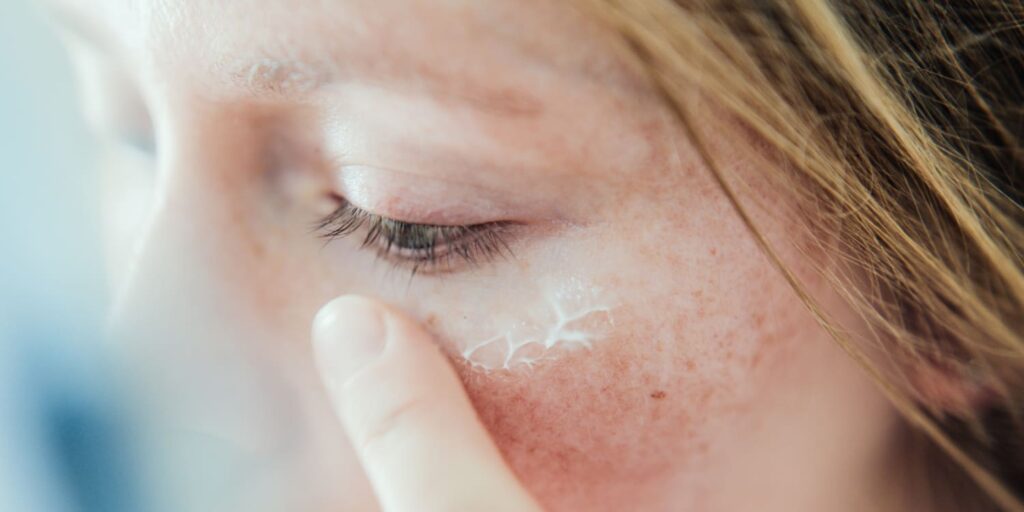
If you’re wondering how to get rid of milia, it’s important to note that while they may resolve on their own over time, milia can be persistent in adults and may require professional treatment. The following are some treatment and milia seeds removal options:
Performed by trained professionals under sterile conditions, manual extraction involves using a fine needle or a sterile blade to remove the milia. This is one of the most common and immediate methods used in-clinic.
Prescription creams containing retinoids (such as tretinoin) can help exfoliate the skin and encourage cell turnover, which may help prevent and reduce milia formation.
Superficial chemical peels using ingredients like glycolic acid or salicylic acid can help to gently exfoliate the skin and unclog pores, reducing the risk of milia.
Certain non-ablative lasers can be used to treat stubborn milia by targeting the upper layers of the skin and stimulating cell turnover.
Heat-based devices can be used to cauterise the surface of the milia, allowing safe removal by a trained practitioner.
Note: Milia should not be squeezed or picked at home, as this can lead to irritation, scarring, or infection.

Although milia can be difficult to prevent entirely, the following steps may help reduce the risk:
If milia are persistent, spreading, or appear after a skin injury or treatment, it is advisable to seek medical assessment. In-clinic milia seed removal treatments may be required to address the condition effectively.
Disclaimer: This article is for informational purposes only and does not replace medical advice. Please consult a medical professional for an accurate diagnosis and personalised treatment plan.