Your Skin Reflects Your Hormones—More Than You Think
Have you ever noticed your skin becoming redder, itchier, or more reactive at certain times of the month? These are common signs of hormonal skin sensitivity. Or perhaps it changed dramatically during pregnancy or perimenopause?
Hormones have a powerful influence on your skin’s sensitivity, barrier health, and inflammatory response. At VIDASKIN medical aesthetic clinic, we approach these changes not just with surface-level care—but through a functional, personalised lens that respects your skin’s deeper rhythms.
🔄 How Hormones Affect Your Skin Across Life Stages
1. Menstrual Cycle (Monthly Hormonal Fluctuations)
Throughout your cycle, estrogen and progesterone rise and fall, affecting:
- Sebum production (more breakouts before your period)
- Skin hydration (estrogen peaks = skin glows; estrogen dips = skin dulls)
- Barrier strength (pre-menstrual skin is more prone to inflammation and sensitivity)
You may experience:
- Flushing or breakouts in the luteal phase (days 21–28)
- Increased skin reactivity just before menstruation
- Greater dryness during low-estrogen days (day 1–5)
2. Pregnancy
During pregnancy, hormones surge—especially estrogen, progesterone, and human chorionic gonadotropin (hCG).
Skin effects include:
- Increased redness and flushing
- Heightened sensitivity to skincare products
- More pigmentation (melasma or “pregnancy mask”)
- Rosacea flare-ups in some individuals
Your skin may be glowing one trimester and flaring the next. Many ingredients (like retinoids or strong acids) also become contraindicated, so safe, doctor-led care is essential.
3. Menopause and Perimenopause
As estrogen declines in midlife, skin becomes:
- Thinner, drier, and more fragile
- Prone to itching, burning, and redness
- Slower to heal or regenerate
- More reactive to environmental triggers
You may feel like your skin has suddenly “changed”—and in a way, it has. Collagen drops sharply, barrier function weakens, and inflammatory markers rise.
🧬 A Functional Medicine Perspective on Hormonal Skin Sensitivity

At VIDASKIN, we view hormonal skin sensitivity not only as a local reaction but also as a systemic signal. Thus, our integrative, doctor-led protocols may include:
✔️ Clinical Lab Testing (Optional)
- Hormone panels (estrogen, progesterone, cortisol, DHEA)
- Micronutrient and inflammation markers
- Gut health assessment (linked to skin barrier and immune triggers)
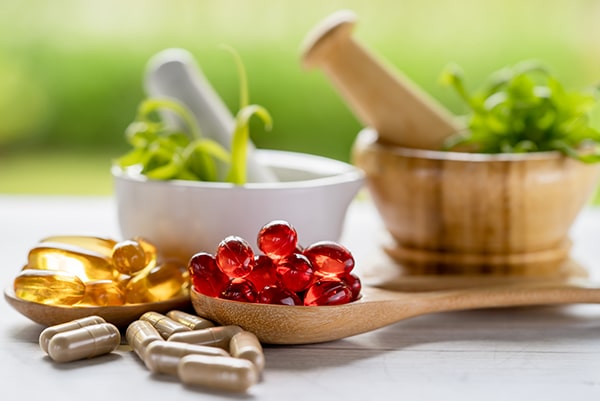
✔️ Targeted Supplement Support
- Evening primrose oil – supports hormonal balance
- Omega-3s – anti-inflammatory support
- Zinc + B6 – helpful for premenstrual skin flares
- Collagen peptides + vitamin C – for menopausal skin resilience
Note: Always doctor-guided—no one-size-fits-all approach.
🌿 Soothing Aesthetic Treatments for Hormone-Affected Skin

We focus on treatments that respect hormonal fluctuations and strengthen the skin from within:
PDRN Skin Boosters
- Promotes DNA repair and cellular regeneration
- Strengthens the barrier and soothes inflammation
- Safe in pregnancy (in consultation)
Laser Genesis
- Reduces flushing, redness, and rosacea-like symptoms
- Stimulates collagen gently—without damaging surface layers
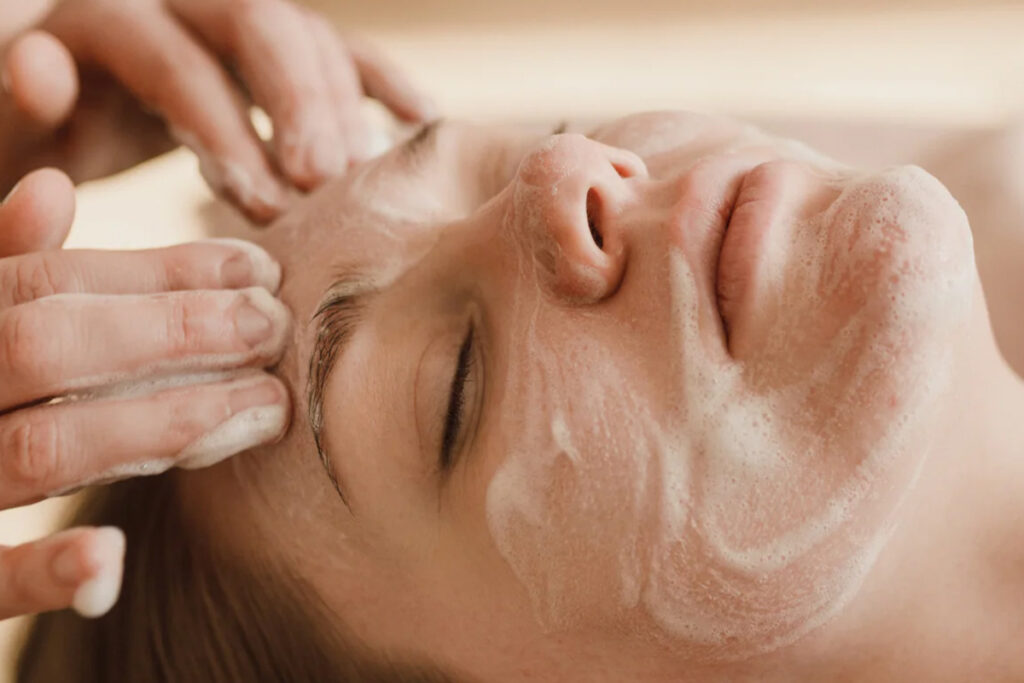
Soothing Medical Facials + LED Red/Yellow Light Therapy
- Calms irritated skin
- Improves circulation and supports dermal health
- Ideal during menstrual flare-ups or menopausal dryness
Hormonal Acne Protocols
- Custom skincare regimens for different cycle phases
- Gentle resurfacing and extractions
- Internal support through lifestyle and supplementation
✨ Our Approach: Restorative, Not Reactive
Rather than simply suppressing symptoms, our philosophy is to work with your body’s rhythms—supporting your skin to thrive across the seasons of womanhood.
Whether you’re 25 and navigating PMS breakouts or 52 and wondering why everything suddenly stings—we’re here to help you restore balance from the inside out.
Ready to Support Your Skin Through Every Hormonal Shift?
📍 Visit us at Wheelock Place, Orchard Road
📞 Call us at +65 9830 0597
💬 Or WhatsApp us for a personalised consultation
Let’s partner with your skin—not fight it—through every stage of your life.