- 501 Orchard Road, #04-08 Wheelock Place, Singapore 238880
- (65) 6235 4429
- hello@vidaskinclinic.com
- (65) 9830 0597

In the world of injectable treatments, few concerns cause as much anxiety as the idea of filler migration.
For instance, stories circulate online about dermal fillers drifting far from their original placement, leading to puffiness, lumps, or distorted facial proportions.
While migration can occur in certain circumstances, it is often misunderstood. At VIDASKIN, we believe in sharing clear, factual information so you can make confident, informed decisions.
This article will explore:
✨ What filler migration actually is
✨ Why it can happen
✨ How thoughtful technique and planning help prevent it
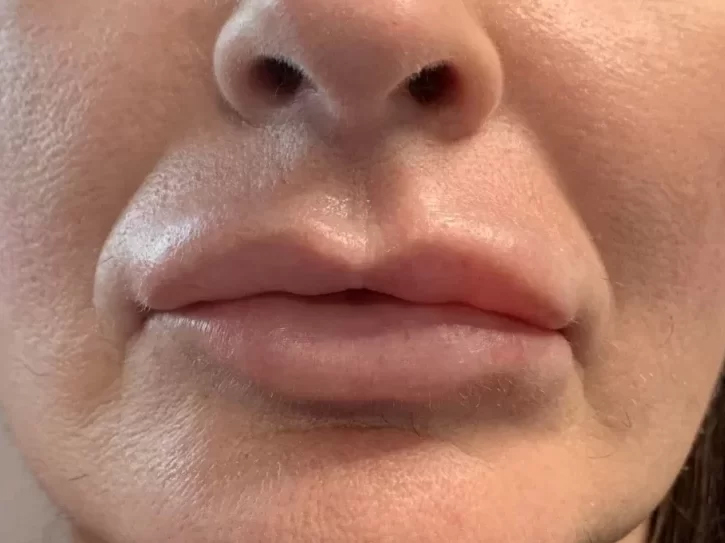
Filler migration describes the movement of injectable material away from the intended area over time.
This can look like:
It is important to know that some movement within a small radius is normal, as fillers integrate and settle into tissue. Significant or visually obvious migration, however, is uncommon when fillers are placed correctly.
Myth 1: All fillers eventually migrate.
Not all fillers behave the same way. Products differ in cohesivity, particle size, and firmness, which influences how they stay in place.
Myth 2: People often assume migration always means something is wrong.
While poor technique increases risk, migration can occasionally happen due to factors like frequent pressure, vigorous massage, or individual tissue characteristics.
Myth 3: Dissolving migrated filler always fixes the problem completely.
You can dissolve hyaluronic acid fillers using hyaluronidase, but achieving full resolution sometimes takes patience and staged treatments.

Several factors contribute to filler movement:
✅ Product Characteristics
Softer, less cohesive fillers are more prone to dispersing, especially in dynamic areas like lips.
✅ Injection Technique
In some cases, placing filler too superficially, using excessive volume in one session, or applying high-pressure injection can increase the risk of unintended spread.
✅ Tissue Dynamics
Areas that move frequently—such as lips or perioral lines—naturally create more mechanical stress.✅ Post-Treatment Factors
Massaging treated areas too soon or applying strong pressure may displace filler before it stabilises.

At VIDASKIN medical aesthetic in Singapore, we follow several principles to help minimise migration:
✨ Choosing the Right Product
To begin with, each filler has unique properties suited to specific areas and goals. Therefore, selecting a filler with appropriate firmness and cohesivity helps maintain shape.
✨ Conservative Volume
Smaller amounts reduce the chance of excess material moving under mechanical forces.
✨ Precise Placement
Depositing filler in the correct anatomical plane—rather than too superficially—improves stability.
✨ Gradual Staging
Building results over time allows tissue to accommodate volume more naturally.
✨ Aftercare Guidance
We advise patients to avoid excessive pressure, vigorous massage, or intense exercise immediately after treatment.
No treatment offers complete freedom from risk. Even with meticulous technique, practitioners still expect a small degree of settling.
However, major migration is uncommon when:
✅ The product is chosen thoughtfully
✅ The injector is skilled and familiar with facial anatomy
✅ Aftercare instructions are followed carefully
Conclusion
Filler migration is a topic that deserves honesty and clarity—not fear.
When approached with restraint, precision, and respect for facial structure, dermal fillers in Singapore can be a safe and effective way to support your natural features over time.
If you have questions about fillers or wish to discuss a personalised plan, we warmly invite you to schedule a consultation at our medical aesthetic clinic in Singapore.