- 501 Orchard Road, #04-08 Wheelock Place, Singapore 238880
- (65) 6235 4429
- hello@vidaskinclinic.com
- (65) 9830 0597

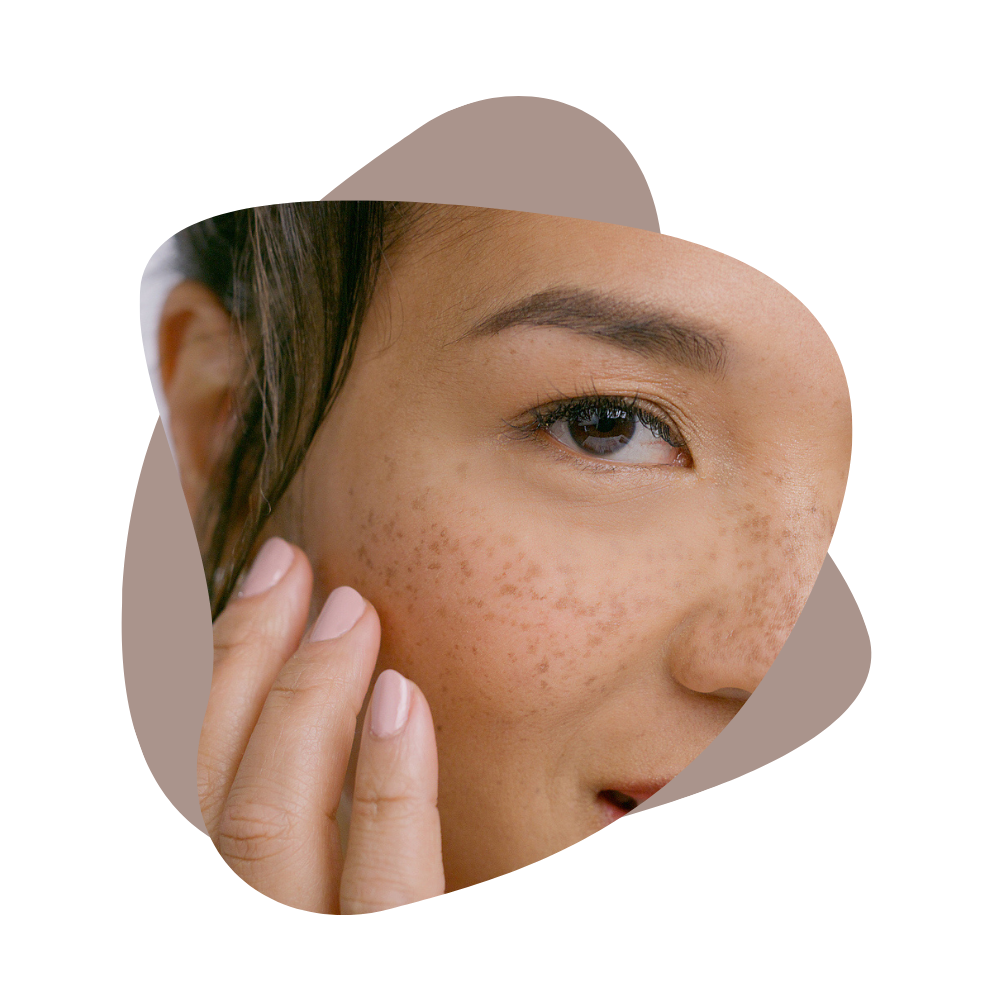
Freckles are small, light-to-dark brown spots that commonly appear on sun-exposed areas such as the cheeks, nose and forehead. They are caused by an increase in melanin activity, often influenced by UV exposure and genetics. While freckles are harmless, some individuals choose to lighten or refine their appearance for a more uniform skin tone.
At VIDASKIN, freckle management focuses on accurately identifying the pigment type, depth and distribution before selecting an appropriate treatment approach.
Freckles (ephelides) typically:
Unlike other forms of pigmentation, freckles sit closer to the surface, making them responsive to pigment-targeting technologies when used appropriately.

Q-Switch lasers use short pulses of energy to target melanin without affecting surrounding skin.
They are often selected for:
Q-Switch sessions have minimal downtime and can be performed at regular intervals.

PicoSure uses pressure-based picosecond pulses to break down pigment into finer particles.
It may be considered when:
PicoSure can also support collagen stimulation, contributing to smoother-looking skin while addressing pigmentation.

IPL delivers broad-spectrum light to target pigment at multiple depths.
It is commonly used for:
IPL works gradually and may be combined with other modalities where suitable.
Your doctor will assess:
Freckle management may involve a single technology or a combination approach for more comprehensive tone refinement.


Sun protection before and after treatment is essential for maintenance
Appropriate assessment is important, especially for Asian skin types where pigmentation can behave differently. During consultation, your doctor will guide you on expected outcomes, number of sessions, and suitable treatment combinations.


If you wish to lighten freckles or achieve a more even skin tone, we can tailor a plan based on your skin’s needs and natural characteristics.
Not exactly. Freckles (ephelides) are caused by increased melanin activity rather than an increased number of pigment cells. They tend to sit closer to the skin surface and darken with sun exposure, unlike conditions such as melasma or sun spots, which behave differently and sit deeper. Accurate diagnosis is important, as treatments vary depending on the type of pigmentation present.
Freckles can often be lightened and refined significantly, but outcomes depend on genetics, sun exposure, and skin type. While laser and light-based treatments can reduce their appearance, freckles may return over time if the skin is exposed to UV radiation. Long-term improvement relies on both treatment and consistent sun protection.
The number of sessions varies based on the depth, density, and distribution of freckles, as well as the technology used. Superficial freckles may respond within a few sessions, while denser or mixed pigmentation may require a more gradual, staged approach. Your doctor will advise on a personalised treatment plan during consultation.
Yes, when properly assessed and performed using appropriate settings. Pigmentation in Asian skin can behave differently and may be more reactive if treatments are not carefully selected. At VIDASKIN, treatment parameters are adjusted based on skin type, sensitivity, and pigment behaviour to reduce the risk of post-treatment pigmentation changes.
Downtime is usually minimal. Q-Switch and PicoSure treatments typically allow patients to resume daily activities immediately, while IPL may cause temporary darkening or mild flaking as pigment lifts. Your doctor will guide you on post-treatment care and sun protection to support stable, even-toned results.
