- 501 Orchard Road, #04-08 Wheelock Place, Singapore 238880
- (65) 6235 4429
- hello@vidaskinclinic.com
- (65) 9830 0597
Body contouring is one of the most misunderstood areas in aesthetic medicine. Many patients hear the term and assume it means dramatic weight loss, instant results, or a permanent fix that replaces healthy habits, but those assumptions often lead to disappointment.
The truth is that body contouring can be very useful in the right patient and for the right goal. The key is understanding what these treatments are actually designed to do, what they cannot do, and how results are best maintained over time.
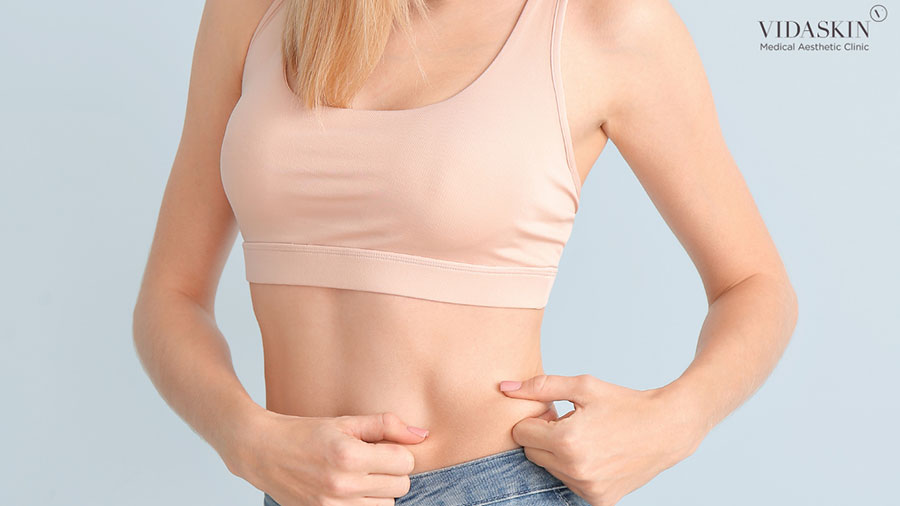
This is probably the most common misconception. Body contouring is not designed to produce major weight loss. Instead, it is generally used to reduce localised pockets of stubborn fat and improve shape or proportion in selected areas.
That means a patient may notice contour improvement without a dramatic change on the weighing scale. These treatments are about refinement, not a total metabolic reset.

Not all fat is equally suitable for non-invasive treatment. Most aesthetic body contouring devices are designed to target subcutaneous fat, which is the fat layer sitting beneath the skin that can often be pinched.
They do not directly target visceral fat, which lies deeper around the internal organs. This distinction matters because some patients feel they have a “fat problem” in an area that is actually driven more by visceral fullness, bloating, posture, or muscle changes than by localised subcutaneous fat.

Treated fat reduction does not mean the body becomes immune to future weight gain. If a patient gains weight after treatment, the remaining fat cells in the body can still enlarge and the overall contour can change again.
This is why body contouring should be seen as a shape-management tool, not a licence to ignore long-term habits. The result can last very well, but maintenance still matters.
Because the treatment session itself is usually quick and does not involve surgery, some patients expect the visual change to be immediate. In reality, many non-invasive fat reduction treatments produce gradual improvement because the body needs time to process the treated fat.
This means changes may become clearer over weeks to months rather than overnight. Patients who understand this timeline usually feel much more comfortable with the treatment journey.

Some people assume that if a treatment is non-surgical, it must be too weak to be meaningful. That is not accurate. Multiple non-invasive technologies have been shown to reduce localised subcutaneous fat and improve contour in appropriately selected patients.
What is true, however, is that non-surgical treatments are not the same as surgery. The results are usually more modest, more gradual, and more dependent on good patient selection.
Body contouring is often marketed more visibly to women, but men also seek treatment for stubborn fat and body shape concerns. Common male concerns may include the abdomen, flanks, chest, and under-chin area, depending on the treatment type.
Suitability depends on anatomy, tissue characteristics, and goals rather than gender. The more important question is not who the patient is, but whether the area being assessed is actually appropriate for treatment.

Some patients assume body contouring will erase cellulite because both involve visible unevenness in body areas such as the thighs or buttocks. In reality, cellulite and localised fat are not identical issues.
Reducing fat may sometimes improve how an area looks, but cellulite is also influenced by fibrous bands, skin structure, and tissue quality. This means fat reduction alone does not automatically remove cellulite completely.
Healthy habits still matter after treatment. Even when fat cells are reduced in one area, the body as a whole still responds to nutrition, movement, sleep, and long-term energy balance.
Patients who maintain a stable weight and reasonable lifestyle habits tend to hold their results better over time. Body contouring works best as part of a broader body management plan, not as a replacement for one.
Body contouring is not one single treatment. Different procedures use different technologies and are designed for different priorities, such as localised fat reduction, muscle enhancement or combined contour refinement.
For example, one patient may be better suited to a cooling-based fat reduction device, while another may benefit more from a treatment that addresses muscle and fat together. The best option depends on the anatomy and the goal, not on whichever device is advertised most heavily.
Misunderstandings about body contouring often create unrealistic expectations. When a patient expects a treatment to behave like major weight-loss therapy, remove all abdominal fullness, or produce dramatic change after one session, even a medically good outcome may feel disappointing.
Clear education helps prevent that problem. The most satisfying body contouring results usually happen when the treatment is matched to the right concern and the patient understands what success should realistically look like.
If you are considering body contouring, the most useful first step is not choosing a machine based on marketing claims alone. It is understanding whether your concern is really localised subcutaneous fat, whether your tissue quality is suitable, and whether the expected result matches your goals.
At VIDASKIN, body contouring plans are tailored to the anatomy of the area, the type of fullness present, and the overall result you want to achieve. The goal is to recommend a treatment that makes medical and aesthetic sense, rather than simply promising a shortcut.
Learn more or book a consultation with us today.
No. Body contouring is primarily used to improve shape by reducing localised fat or enhancing contour, while weight loss refers to the overall reduction in body mass.
Most non-invasive body contouring devices are designed for subcutaneous fat beneath the skin, not deeper visceral fat around the organs.
They can be effective for selected patients with localised subcutaneous fat, but the results are usually more modest and gradual than surgical procedures.
Not usually. Many non-invasive treatments work gradually over weeks to months as the body processes the treated fat.
Yes. Weight stability and healthy habits remain important because remaining fat cells can still enlarge if overall body weight increases.

Founded in 2015, Dr Vicki has grown with the clinic, to become one of the leading aesthetic clinicians in Singapore. She is an appointed key opinion leader and trains other aesthetic doctors on how to best use prestigious brands and treatments.
