- 501 Orchard Road, #04-08 Wheelock Place, Singapore 238880
- (65) 6235 4429
- hello@vidaskinclinic.com
- (65) 9830 0597

Under-eye hollows, often described as tear troughs, can create a tired or sunken appearance even in well-rested individuals. This concern is common in both younger and older adults and may be due to genetics, volume loss, or changes in the skin’s structure. Fortunately, there are several treatment options that may help improve the appearance of under-eye hollows safely and effectively.
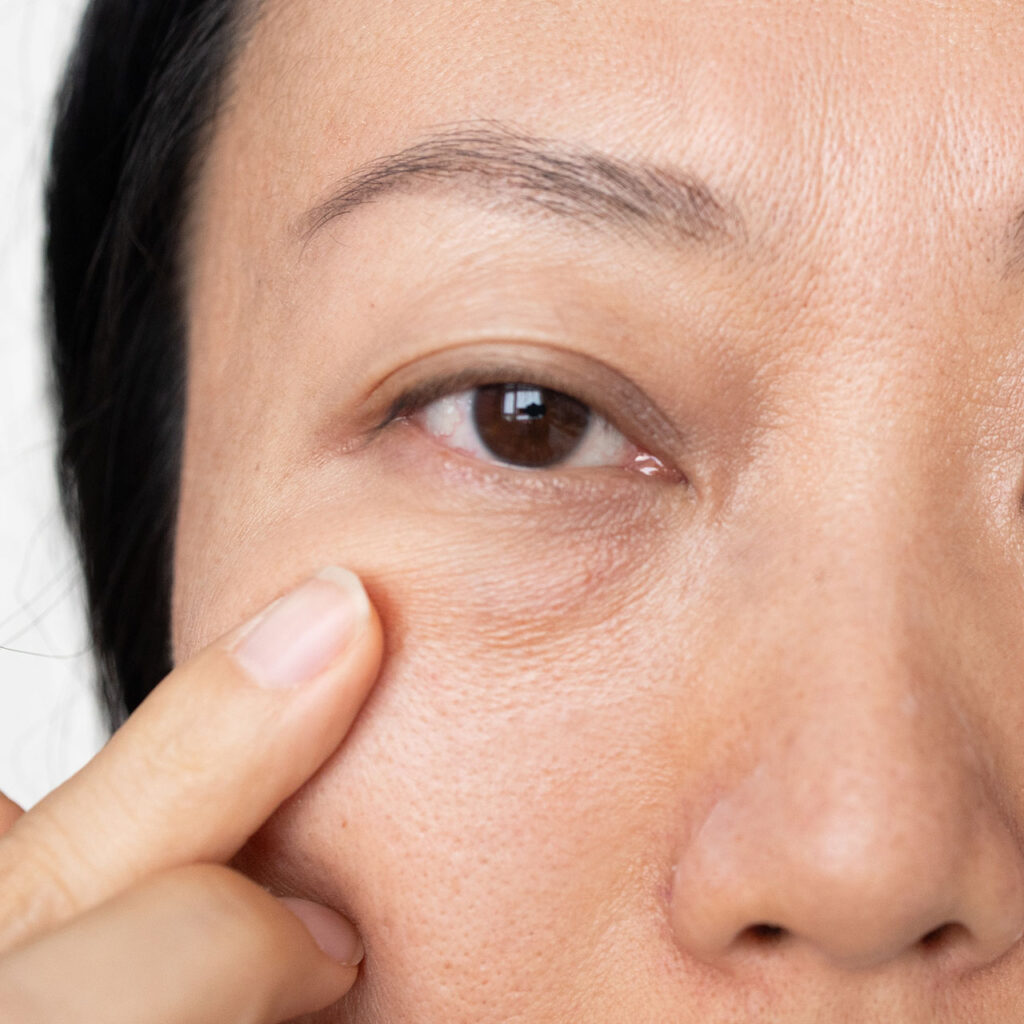
Under-eye hollows occur when there is a loss of volume in the area between the lower eyelid and the upper cheek. This can result in a shadowed or sunken appearance. In some cases, this may be accompanied by dark circles or fine lines.
When exploring treatment options for under-eye hollows, the most suitable approach depends on the underlying cause of the hollowing. Therefore, a proper assessment by a medical professional is recommended to determine the most appropriate course of action.
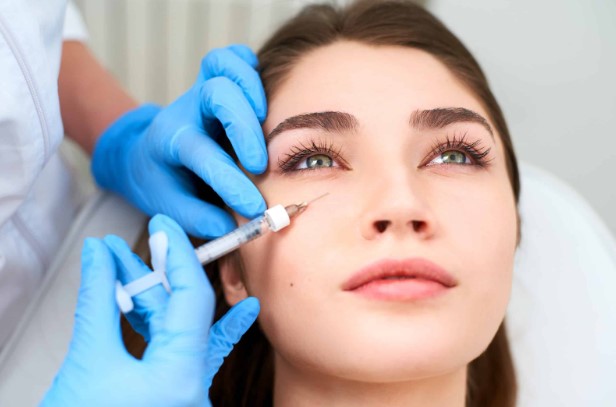
Among non-surgical options, dermal fillers Singapore are commonly used to restore volume in the tear trough area. Specifically, hyaluronic acid (HA)-based fillers can be precisely placed to soften the transition between the lower eyelid and cheek. Moreover, the treatment can provide immediate results and is reversible if needed.
Note: Not all fillers are suitable for the delicate under-eye area. A trained medical professional familiar with the anatomy of the tear trough should perform the treatment.

Certain injectable treatments (such as polydeoxyribonucleotide [PDRN], polynucleotides, or poly-L-lactic acid) may improve skin quality and firmness over time by stimulating the skin’s natural repair mechanisms. While they do not add immediate volume, they may enhance the overall appearance of the under-eye area gradually.
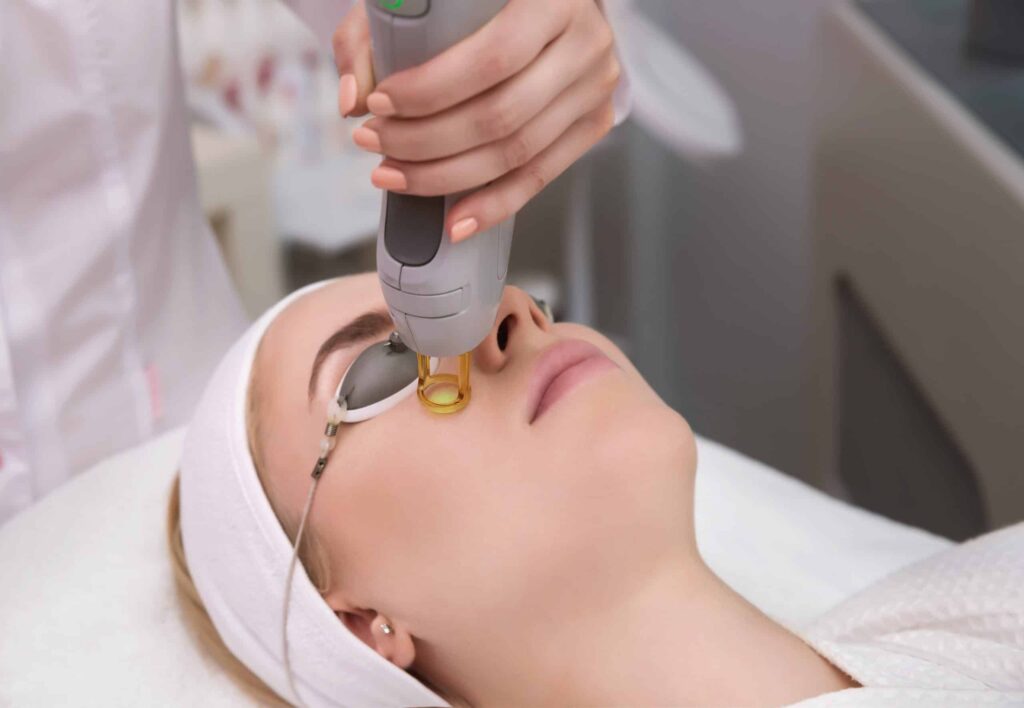
Non-ablative lasers or radiofrequency skin tightening devices may be used to stimulate collagen in the periorbital area, helping to firm the skin and reduce the appearance of hollowness or associated fine lines.
For patients seeking longer-term volume restoration, fat grafting involves harvesting fat from another area of the body and transferring it to the under-eye region. This is a minor surgical procedure performed under local anaesthesia or sedation.

In such cases, where under-eye hollows are accompanied by skin laxity or prominent fat pads, your surgeon may recommend a lower blepharoplasty. This is because the surgical procedure involves repositioning or removing fat and tightening skin or muscle as needed.
If under-eye hollows are affecting your appearance or self-confidence, then a personalised assessment is essential. Ultimately, your provider or a trusted medical aesthetic clinic in Singapore should customise your treatment based on your anatomy, skin quality, and desired outcomes.
Disclaimer: This article is for informational purposes only and does not replace medical advice. Please consult a qualified medical professional for an accurate diagnosis and individualised treatment plan.