- 501 Orchard Road, #04-08 Wheelock Place, Singapore 238880
- (65) 6235 4429
- hello@vidaskinclinic.com
- (65) 9830 0597

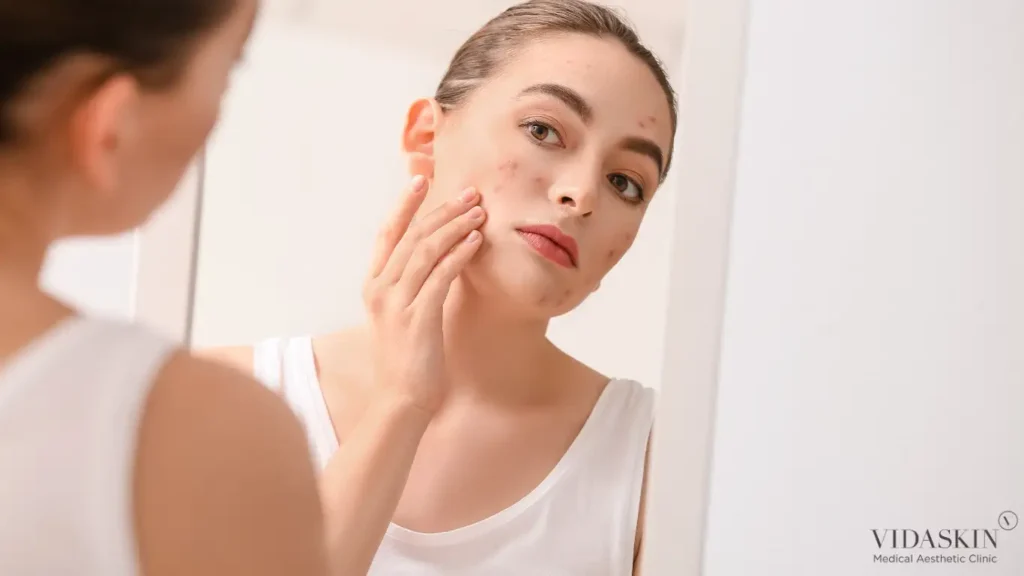
You’ve made it past your teenage years — so why are you still breaking out?
Adult acne is more common than many people realise. In fact, it can feel even more frustrating because it shows up at a time when you expect your skin to be more stable. The reality is, acne doesn’t follow age rules. It’s influenced by hormones, lifestyle, skin habits, and even stress — all of which can still play a role well into adulthood.
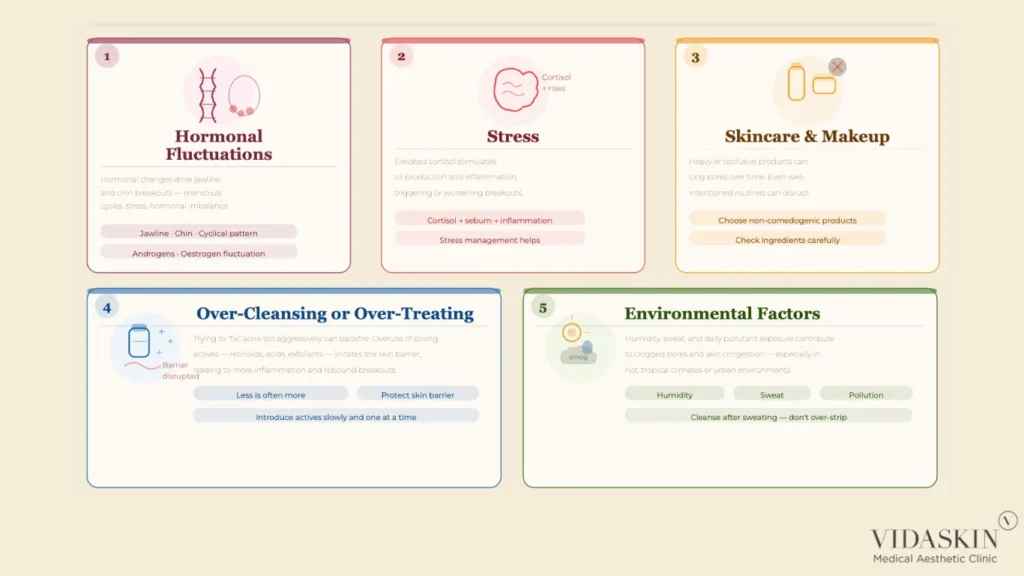
Adult acne is often more complex than teenage acne, with multiple triggers happening at once.
1. Hormonal fluctuations
Hormones remain one of the biggest drivers of adult acne. Breakouts along the jawline and chin are often linked to hormonal changes — including menstrual cycles, stress, or conditions like hormonal imbalance.
2. Stress
Ongoing stress can increase cortisol levels, which may stimulate oil production and inflammation, leading to breakouts.
3. Skincare and makeup products
Using products that are too heavy, occlusive, or not suited to your skin type can clog pores over time. Sometimes, even well-intentioned routines can be too harsh and disrupt the skin barrier.
4. Over-cleansing or over-treating
Trying to “fix” acne too aggressively can backfire. Overuse of strong actives may irritate the skin, leading to more inflammation and breakouts.
5. Environmental factors
Humidity, sweat, and daily exposure to pollutants can contribute to clogged pores and skin congestion.
When it comes to adult acne, less is often more. The goal is to support your skin — not overwhelm it.
Keep it simple and consistent
A gentle cleanser, a suitable treatment product, and a non-comedogenic moisturiser form a good foundation.
Protect your skin barrier
Healthy skin is more resilient. Avoid layering too many strong ingredients, and ensure your routine includes hydration.
Introduce actives gradually
Ingredients like salicylic acid, retinoids, or benzoyl peroxide can be helpful — but should be introduced carefully to avoid irritation.
Sun protection matters
Daily sunscreen helps prevent post-acne marks from worsening and supports overall skin recovery.

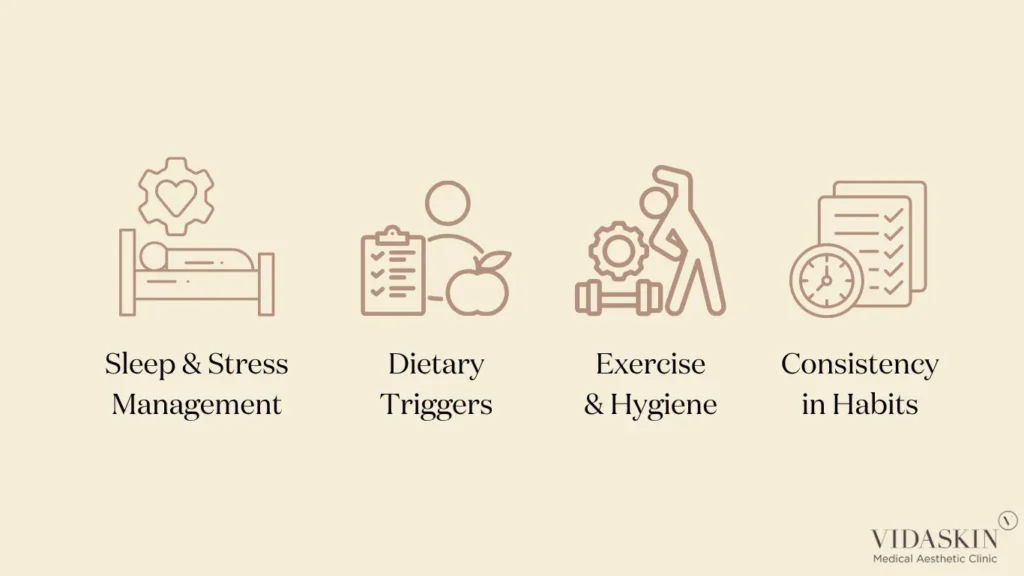
Your skin often reflects what’s happening internally.
Sleep and stress management
Poor sleep and high stress levels can influence hormonal balance and inflammation.
Dietary triggers (for some individuals)
Certain foods — such as high glycaemic index foods or dairy — may worsen acne in some people, though this varies.
Exercise and hygiene
Regular exercise is beneficial, but sweat left on the skin can contribute to breakouts if not cleansed properly.
Consistency in habits
Frequent switching of skincare products or routines can disrupt your skin’s balance.
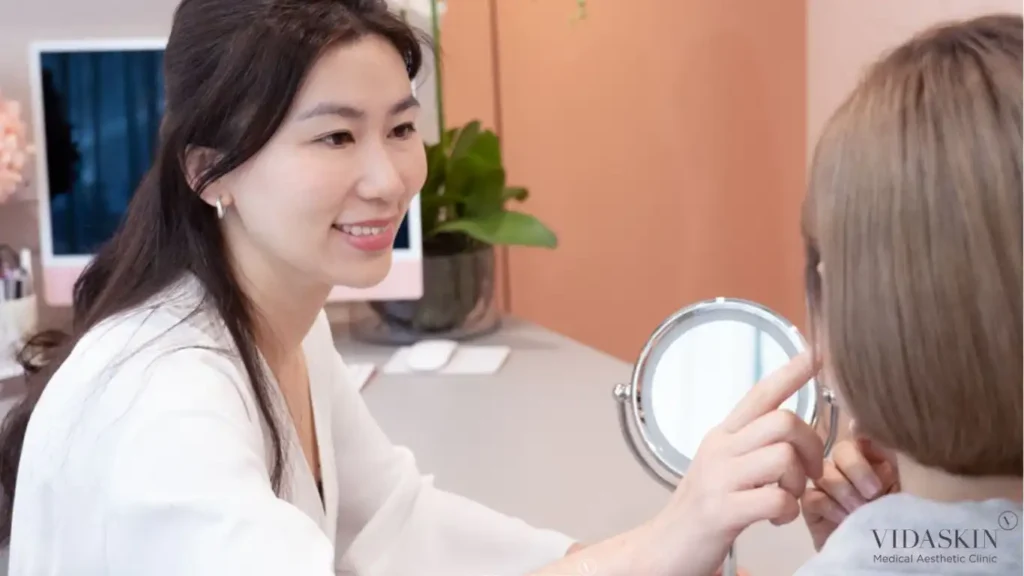
If your acne is persistent, worsening, or leaving marks, it may be time to seek professional guidance.
A proper assessment can help:
At VIDASKIN, we take a personalised approach — looking at your skin holistically, from triggers to different acne treatment options, to help you regain control over your skin in a way that feels sustainable.
Adult acne can feel discouraging, but it’s important to know that it’s both common and manageable. With the right combination of skincare, lifestyle adjustments, and professional support when needed, your skin can improve over time.
Sometimes, it’s not about doing more — it’s about doing the right things consistently.