- 501 Orchard Road, #04-08 Wheelock Place, Singapore 238880
- (65) 6235 4429
- hello@vidaskinclinic.com
- (65) 9830 0597

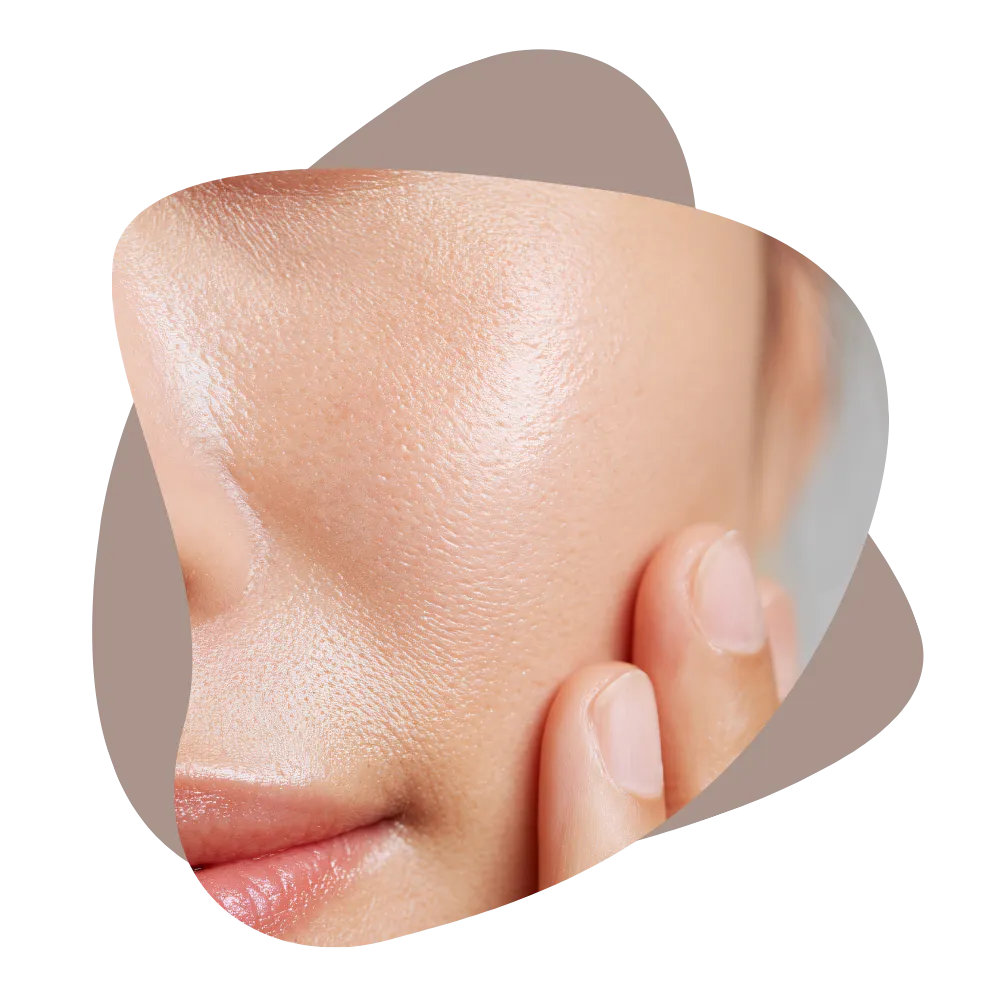
Cheek fillers are injectable treatments commonly formulated with hyaluronic acid or collagen-supporting materials. They are used to restore volume in the midface, enhance contour, and support overall facial structure.
Loss of midface volume can occur due to ageing, genetics, or natural facial anatomy. This may contribute to a flattened cheek appearance, early sagging, or changes in facial balance.
For patients exploring cheek fillers Singapore, it is important to understand that treatment outcomes vary and depend on individual anatomy, filler choice, and biological response.
At VIDASKIN, cheek filler treatments are planned based on facial proportions, midface volume distribution, and individual goals, rather than focusing on isolated volume enhancement.
The midface plays a key role in facial balance and support. Volume in this area contributes to how the face appears from both the front and side profile.
Cheek fillers may help to:

Every cheek filler treatment begins with a detailed consultation and facial assessment.
This typically includes evaluation of:
Treatment planning focuses on contour, balance, and structural support rather than volume alone. Injection areas are selected based on individual anatomy and aesthetic objectives.
During a cheek fillers Singapore consultation at VIDASKIN, suitability, expectations, and alternative or complementary treatments are discussed before proceeding.
After treatment, some temporary effects are common.
These may include:

Patients considering cheek fillers may also wish to explore complementary options:
General / Safety
Cheek fillers are generally offered to adults aged 18 and above. For individuals below this age, treatment is usually not recommended, and parental consent requirements may apply depending on the clinical context. A medical consultation is required to assess suitability.
Procedure & Experience
The injection procedure typically takes about 20–30 minutes, excluding consultation and numbing time.
Patients are commonly advised to avoid alcohol, strenuous exercise, and certain supplements or medications that may increase bruising, if medically appropriate, for at least 24 hours before treatment.
After treatment, patients are usually advised to:
Most patients are able to resume normal daily activities shortly after treatment, with minor restrictions. Temporary swelling or bruising may occur.
Results & Expectations
Some volume change may be visible immediately. Results typically refine over several days as swelling subsides.
The appearance of cheek fillers depends on anatomical structure, filler selection, volume used, and injection technique. A treatment with natural outcomes focuses on proportion and balance rather than overcorrection.
Early swelling, natural facial asymmetry, or differences in tissue response can cause temporary unevenness. This often improves as the filler settles.
The amount required varies widely and depends on the degree of volume loss, facial anatomy, and desired level of enhancement. Some patients may require staged treatments.
Types of Fillers
Cheek enhancement may be performed using hyaluronic acid fillers or collagen-stimulating fillers. The choice depends on anatomical needs, treatment goals, and medical assessment.
Hyaluronic acid fillers provide immediate volume, are hydrating, and can be adjusted or reversed if medically indicated. Collagen-stimulating fillers work gradually by supporting collagen production and may have different longevity profiles.
Cost & Clinic Selection
Pricing may vary based on:
A consultation is required for accurate assessment and fee discussion.
Longevity & Maintenance
Cheek fillers are commonly reviewed or repeated every 12–24 months on average, depending on filler type, metabolism, and lifestyle factors.
Cheek fillers often last longer than lip fillers due to deeper placement and reduced movement in the midface compared to the lips. The type of filler used may also have a thicker consistency than filler used in the lips and is not as quickly dissolved by the body.
Lifestyle & Activity
Patients are usually advised to avoid pressure on the cheeks for the first 24 hours, including sleeping directly on the treated side.
Strenuous exercise should be avoided for at least 24 hours to reduce swelling or bruising.
Concerns & Troubleshooting
Patients are encouraged to return for a review appointment. Further assessment or adjustments may be discussed based on clinical findings.
Filler migration is uncommon but can occur. Proper placement and appropriate filler selection help reduce this risk. Any concerns should be assessed by a medical professional.
Patients should seek prompt medical review if they experience:
Early assessment is important if concerning symptoms arise.
