- 501 Orchard Road, #04-08 Wheelock Place, Singapore 238880
- (65) 6235 4429
- hello@vidaskinclinic.com
- (65) 9830 0597

Pigmentation is one of the most common skin concerns, especially in Singapore’s climate.
From sun spots and melasma to post-inflammatory hyperpigmentation, many people hope for a single solution that will clear uneven skin tone quickly.
The reality is that pigmentation develops for many reasons and often requires a multi-layered approach.
At VIDASKIN medical aesthetic clinic in Singapore, we believe combining targeted treatments, medical-grade skincare, and lifestyle support offers the most balanced, sustainable improvements.
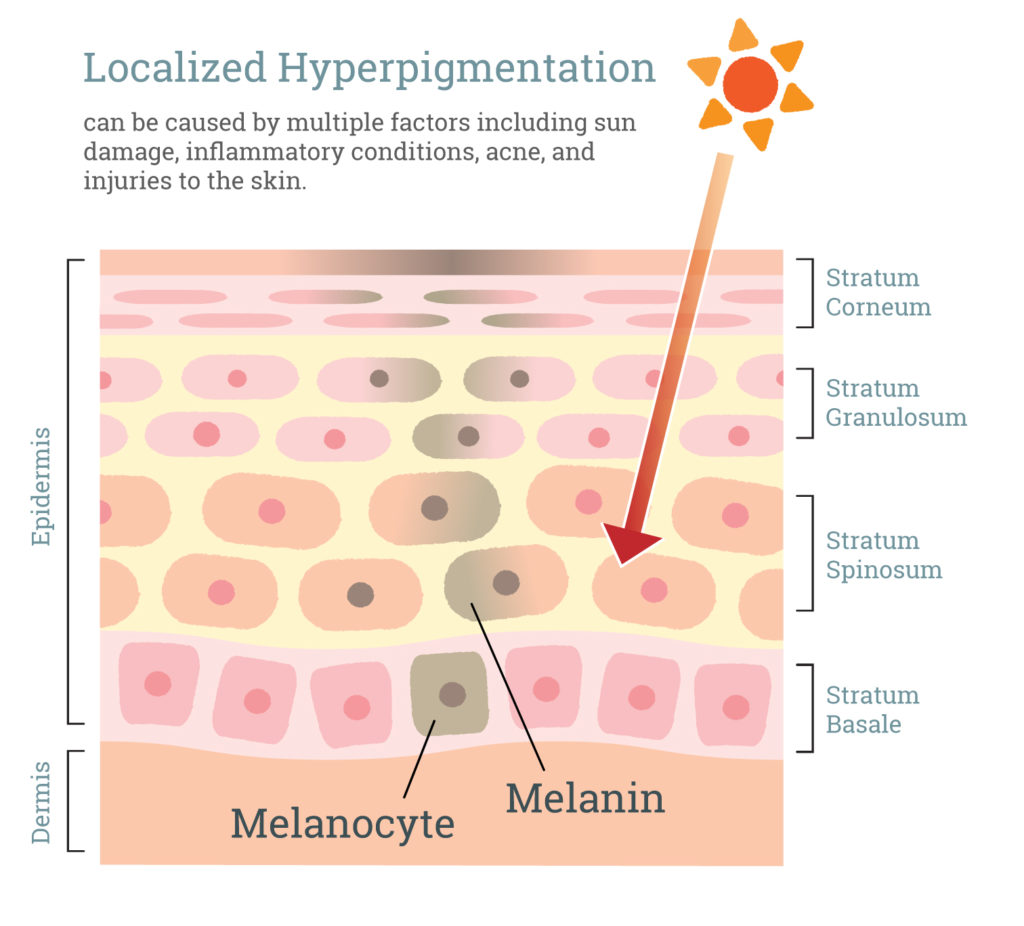
Pigmentation refers to areas of the skin that darken due to excess melanin. Some of the most frequent causes include:
Because these factors often overlap, no single laser, cream, or treatment can fully address pigmentation on its own.
Myth 1: One laser session can erase pigmentation.
While certain lasers can lighten spots, pigmentation often requires multiple sessions and ongoing maintenance.
Myth 2: Topical skincare alone is enough.
Skincare helps prevent and manage pigmentation, but deeper pigment often needs energy-based treatments.
Myth 3: Once pigmentation fades, it will not return.
Pigment cells can be reactivated by UV exposure or inflammation, which is why long-term care is essential.
At VIDASKIN, we combine different strategies to target pigmentation safely and effectively:
Topical products support in-clinic treatments and help prevent recurrence. Examples include:
Lasers and light therapies break down existing pigment and improve overall skin tone:
Treatment plans are customised based on your skin type and pigmentation pattern.
Even the most advanced treatments need support:
✅ Sun Protection: Daily sunscreen is non-negotiable.
✅ Avoid Picking: Trauma to the skin can worsen hyperpigmentation.
✅ Consistent Skincare: Maintenance prevents recurrence.

While many patients see visible improvements, it is important to understand:
A clear plan helps you approach treatment calmly and confidently.
Pigmentation can be persistent, but it does not have to feel discouraging.
With a multi-modal approach—combining evidence-based treatments, skincare, and prevention—you can achieve clearer, more even-toned skin over time.
If you would like to explore a personalised plan, we warmly invite you to book a consultation.
