- 501 Orchard Road, #04-08 Wheelock Place, Singapore 238880
- (65) 6235 4429
- hello@vidaskinclinic.com
- (65) 9830 0597

Under-the-skin acne, often referred to as cystic or nodular acne, can feel painful and look inflamed, but acne laser treatment offer targeted relief. Unlike surface pimples, these blemishes develop deeper within the skin and may linger for weeks or even months. Here’s what you need to know about why they occur and how they can be managed safely and effectively.
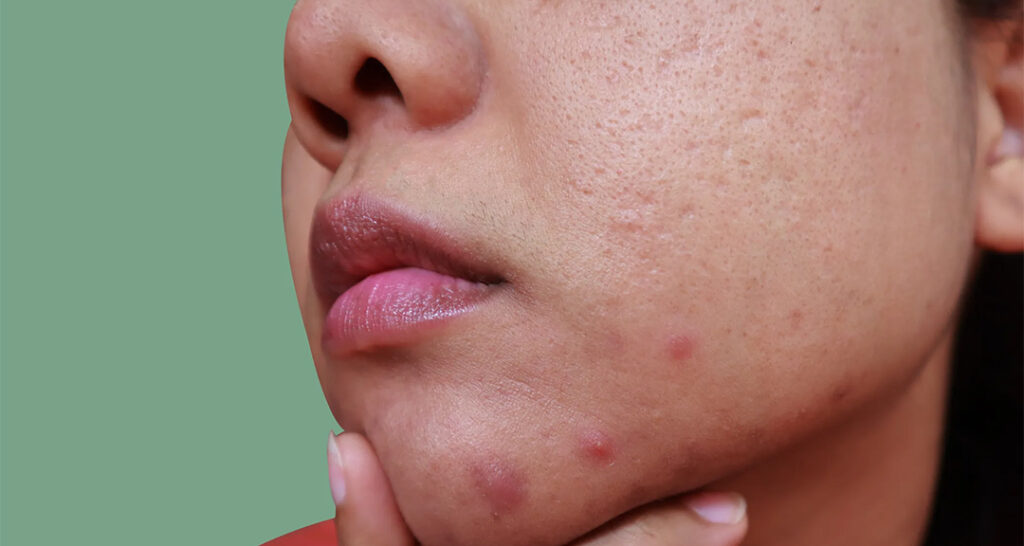
Under-the-skin acne describes acne lesions that form beneath the skin’s surface. They may appear as:
These lesions often do not come to a “head” like typical pimples, making them more challenging to treat at home.
Several factors can contribute to this type of acne:
Treating under-the-skin acne requires patience and often a professional approach. Here are some treatment options:
Topical retinoids (e.g., tretinoin, adapalene) help prevent clogged pores and encourage skin cell turnover. Other topical treatments may include antibiotics or benzoyl peroxide to reduce bacteria and inflammation.
Intralesional steroid injections can rapidly reduce inflammation and pain in large cystic lesions. This is a quick in-clinic procedure that helps prevent scarring.
Mild to moderate chemical peels containing salicylic acid or glycolic acid can help improve acne-prone skin by removing dead skin cells and unclogging pores.
Acne laser treatment and light therapies can reduce oil production and inflammation, targeting acne-causing bacteria without damaging surrounding skin.
Important: Avoid squeezing or picking under-the-skin acne. This can worsen inflammation, cause scarring, and push bacteria deeper into the skin.

While not all cases can be prevented, the following steps may help:
If under-the-skin acne is painful, recurrent, or causing scarring, professional acne treatment in Singapore is advised. A doctor can assess your skin and recommend a personalised treatment plan.
Disclaimer: This article is for informational purposes only and does not replace medical advice. Please consult a medical professional for an accurate diagnosis and personalised treatment plan.